In case you missed it you can find last month's newsletter here: march newsletter
March bird walk
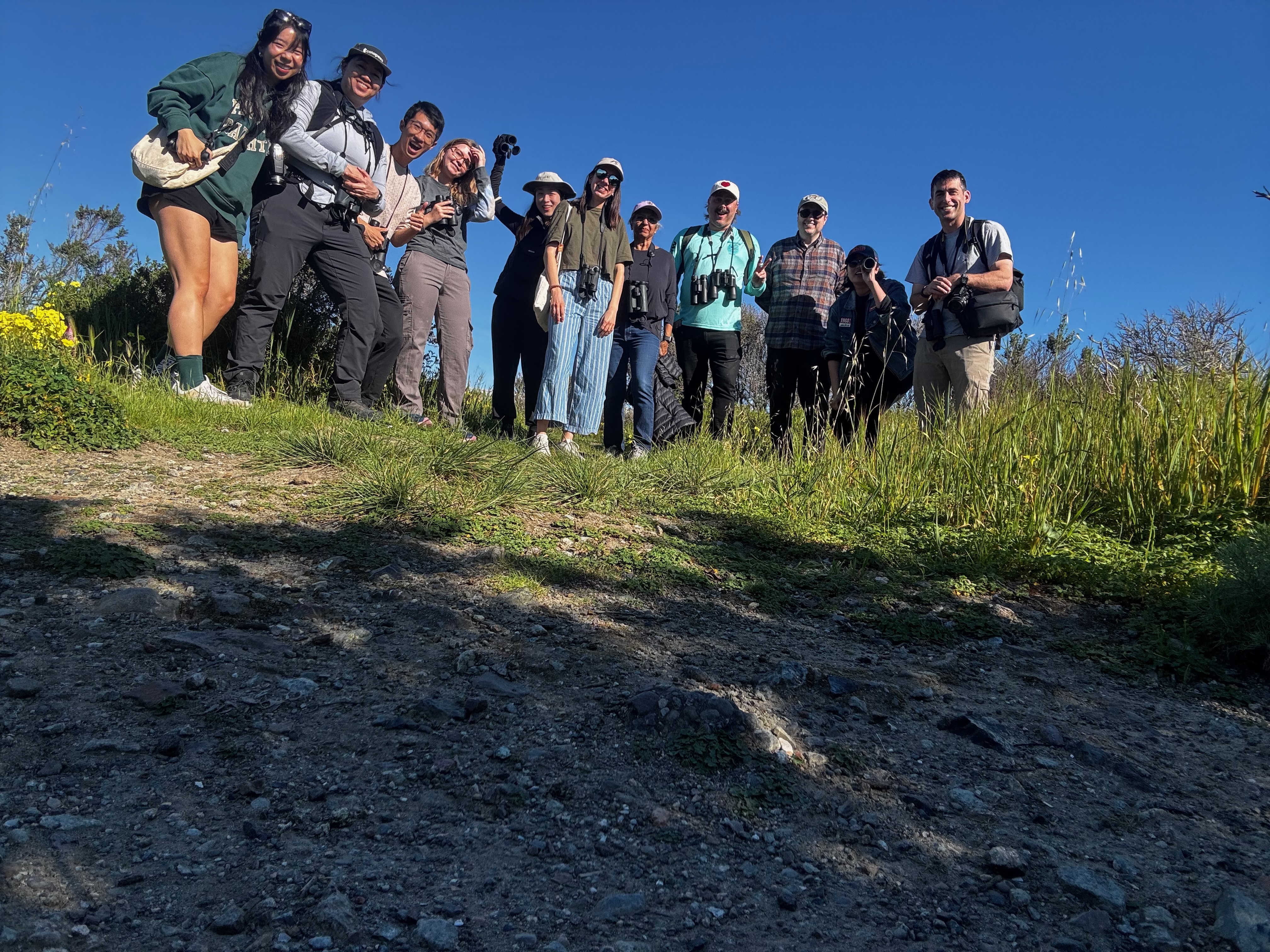
In March we hit Heron's Head Park for the first time.
ebird checklist linked here.
We saw some of cool birds we haven't come across on the other walks like black oystercatchers and black-bellied plovers.
thank you janet for this well-framed photo:)
Taylor took the following photos. Some of these were from Pier 94 where Taylor and I hit after heron's head
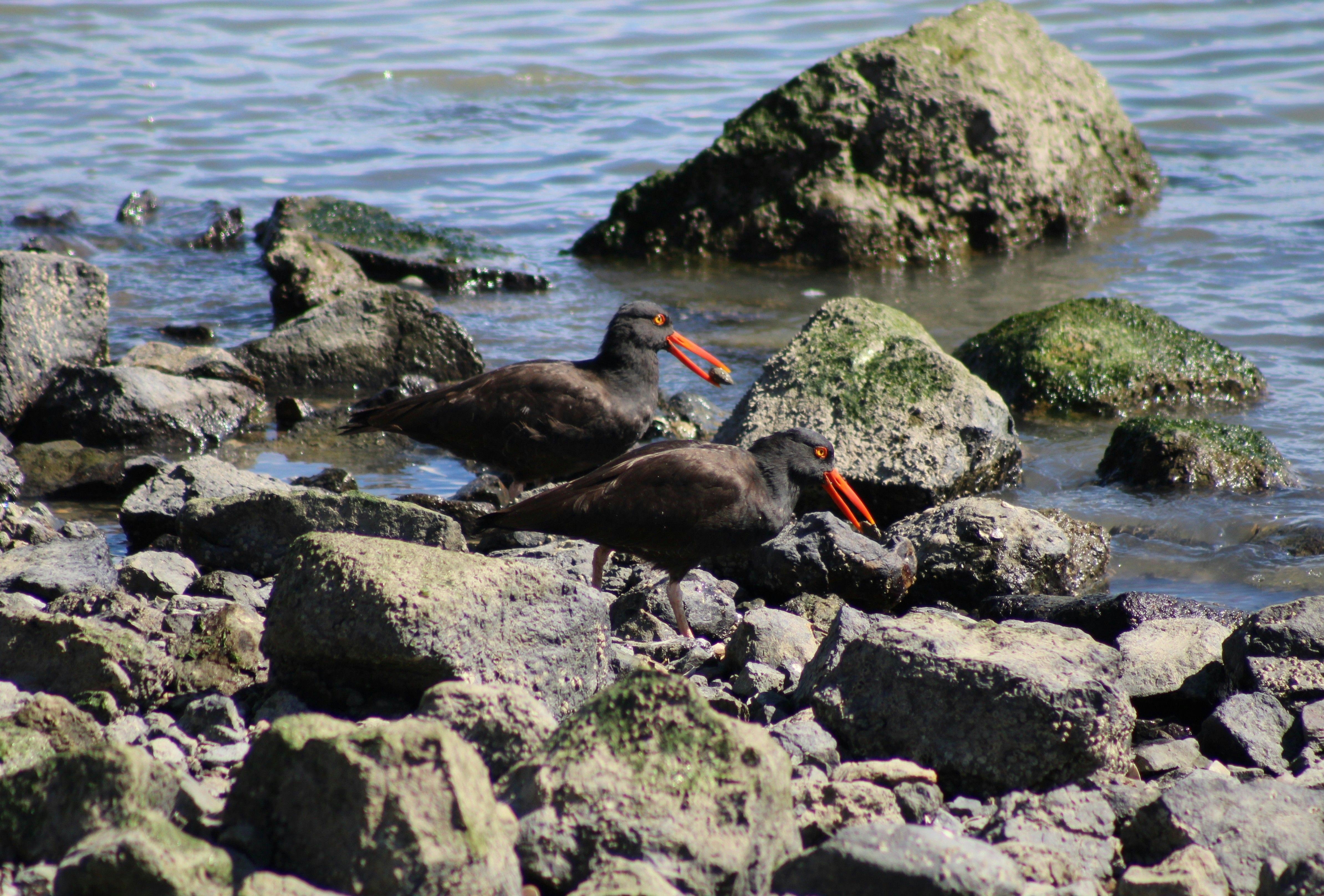
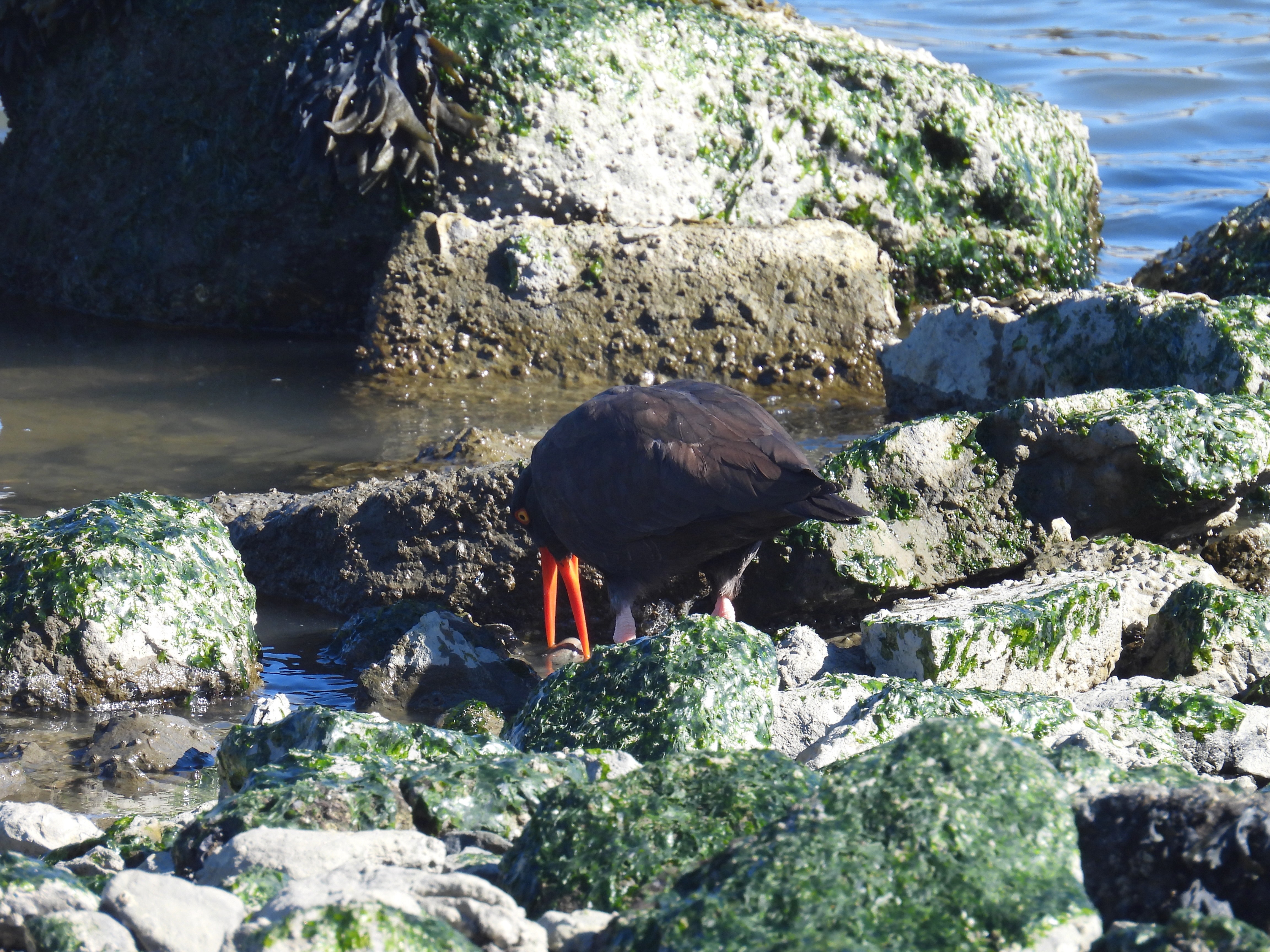
black oystercatcher (Haematopus bachmani)
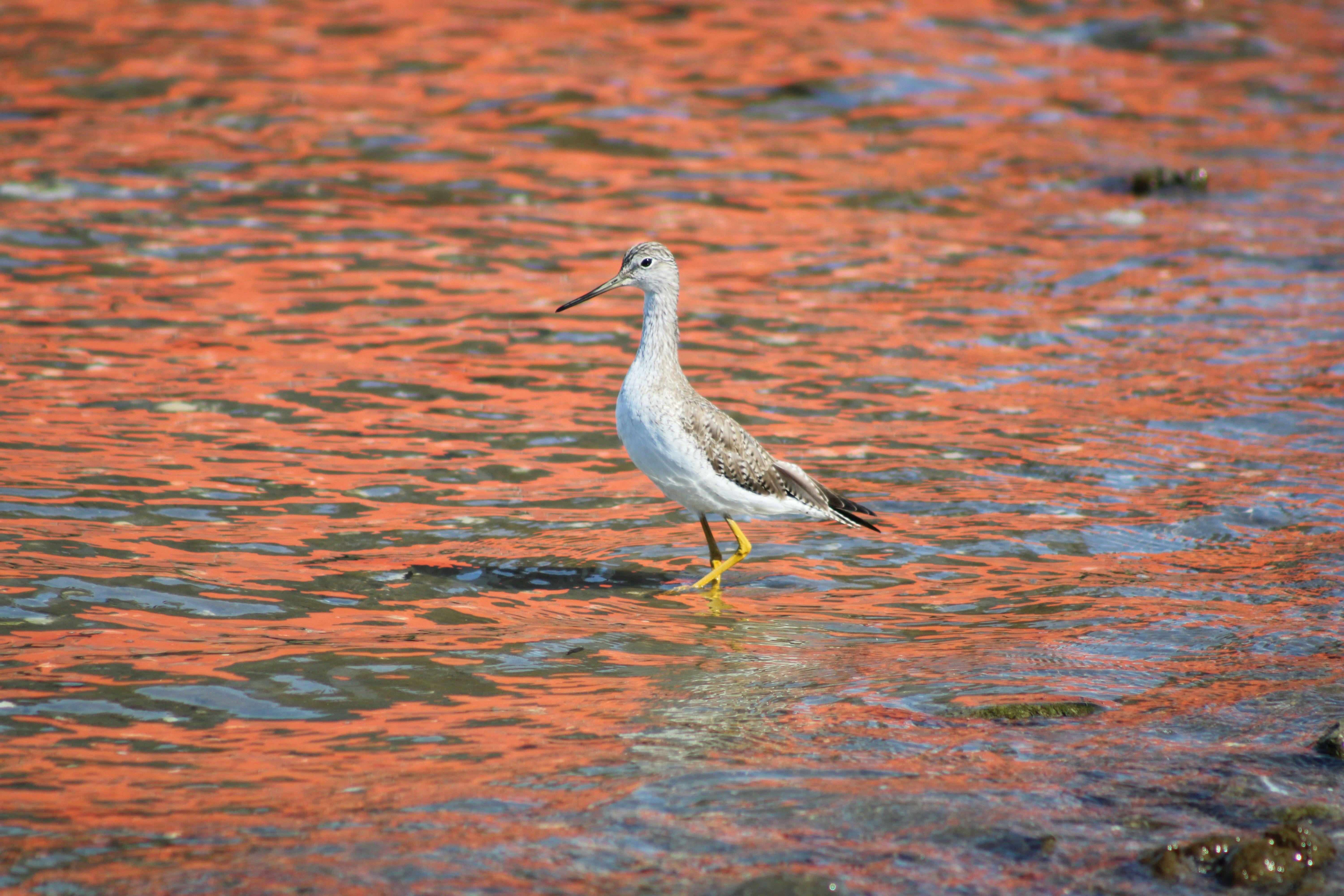
greater yellowlegs (Tringa melanoleuca)
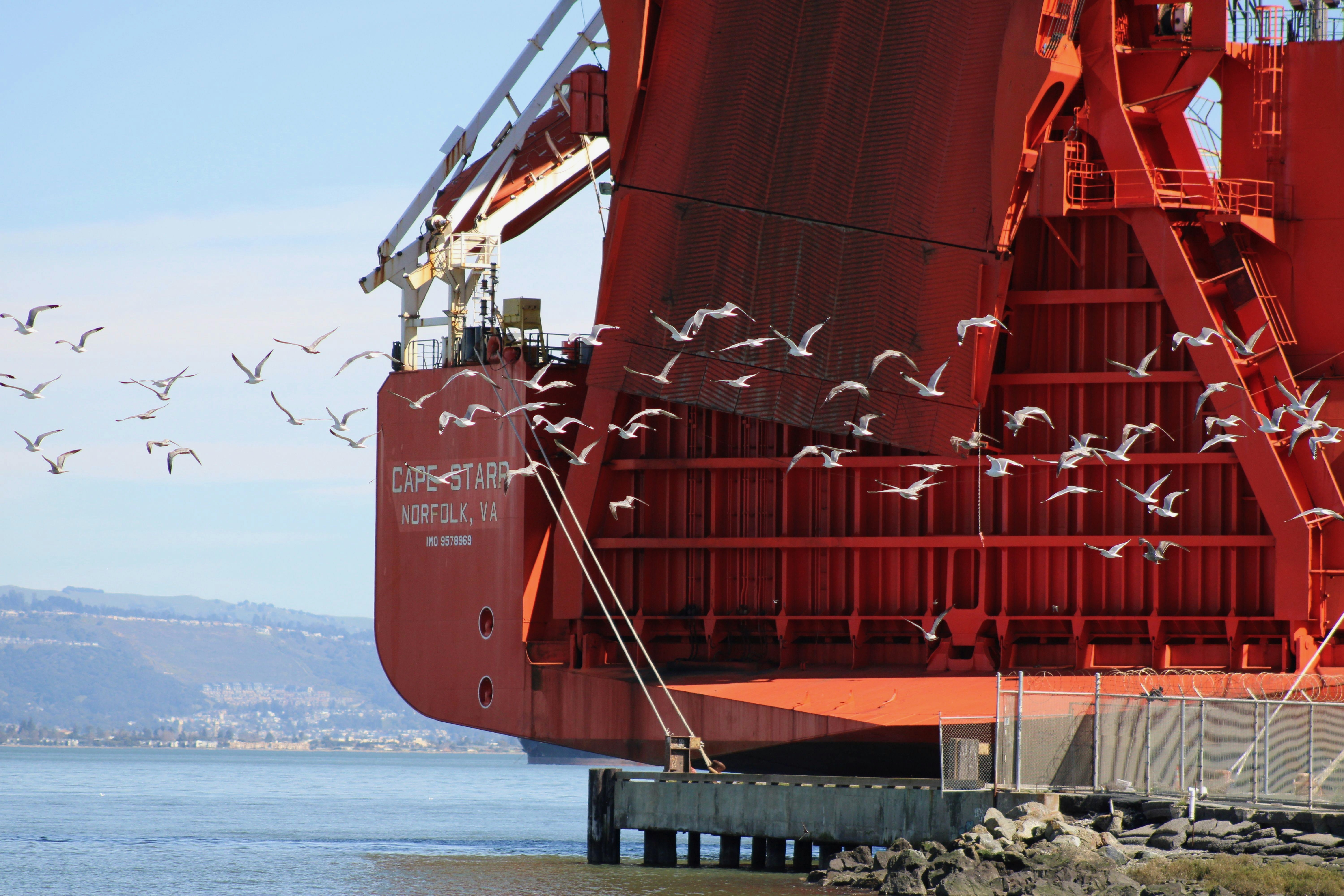
gulls
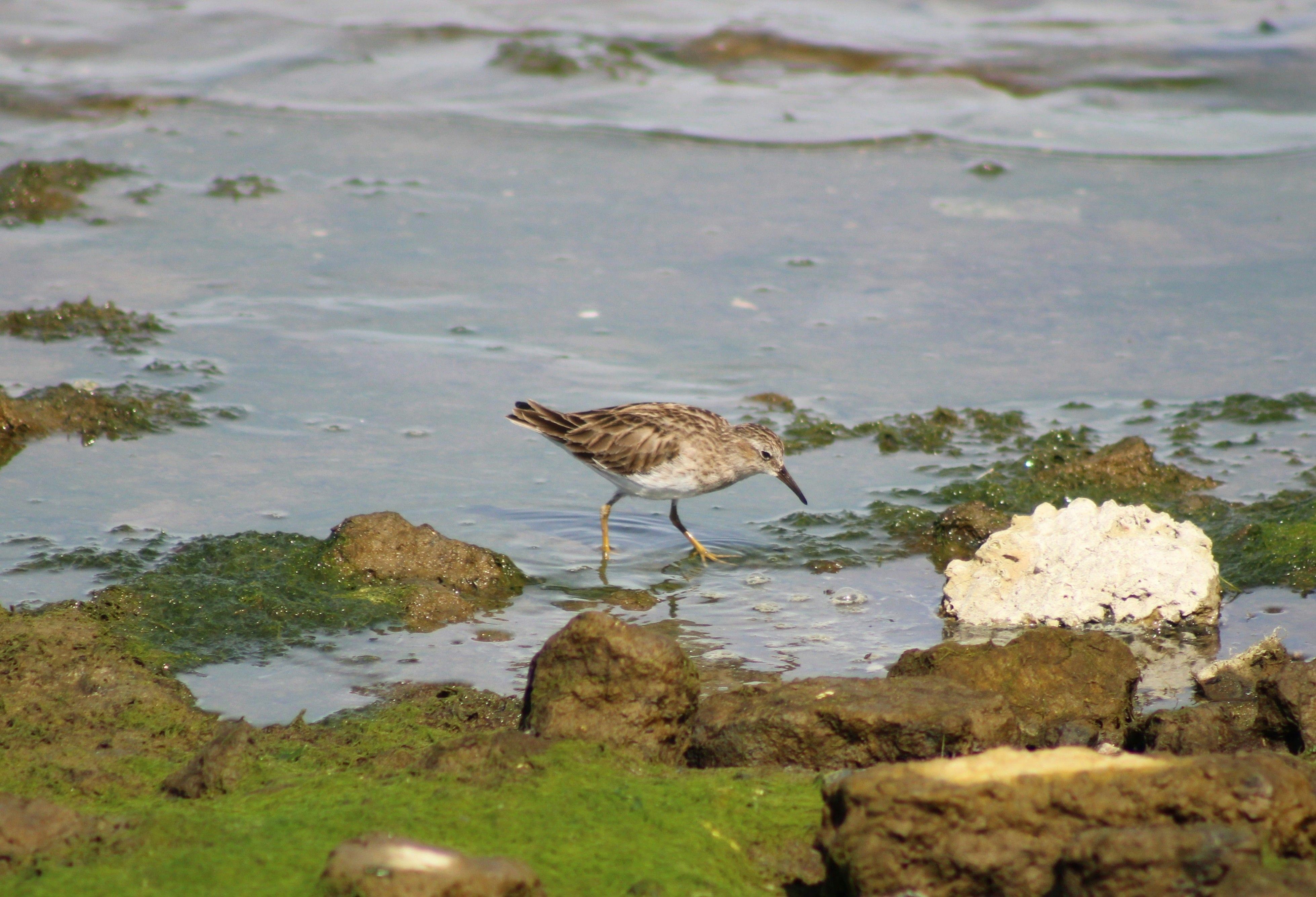
least sandpiper (Calidris minutilla)
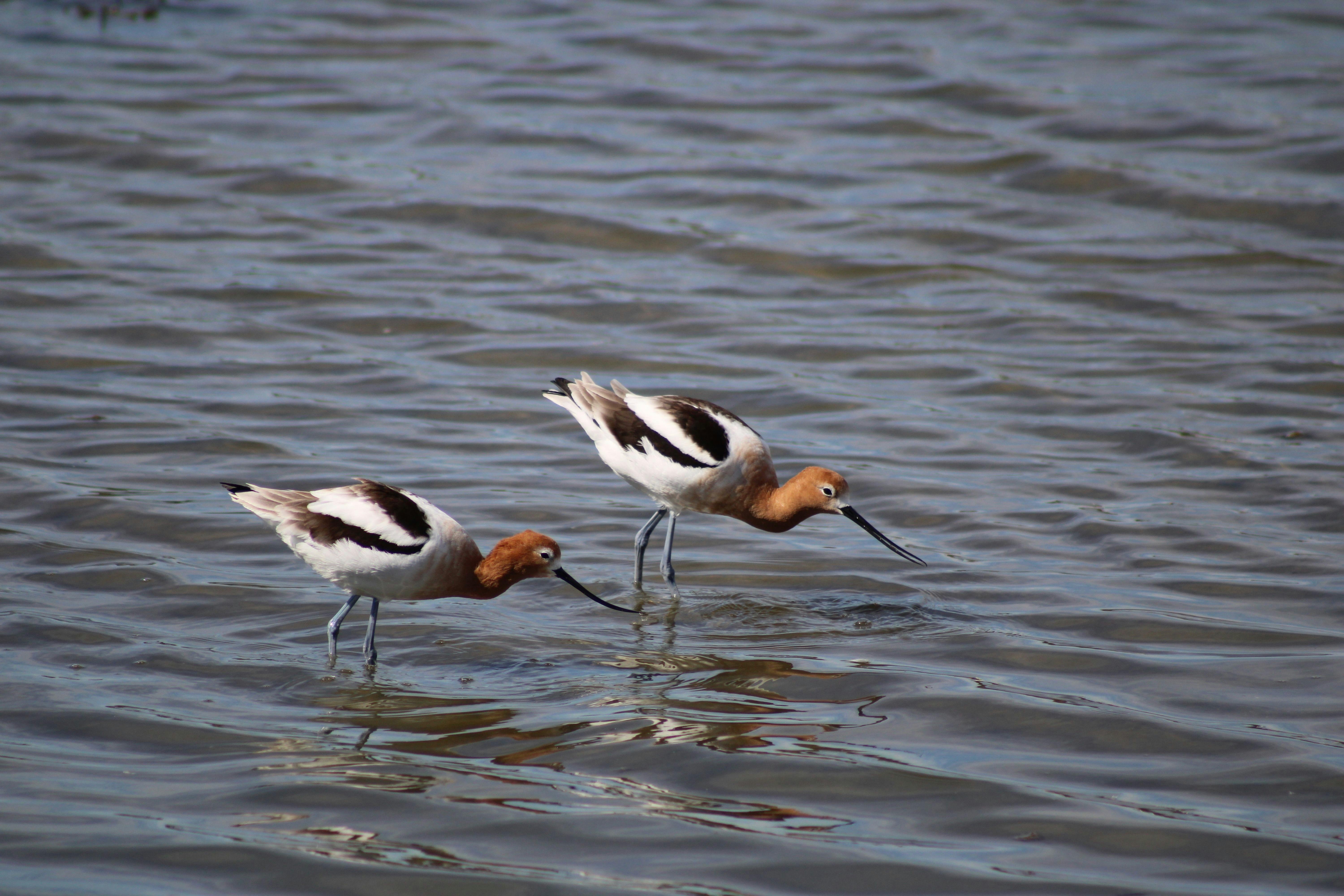
american avocet (Recurvirostra americana)
I also took some photos:
black oystercatcher (Haematopus bachmani)
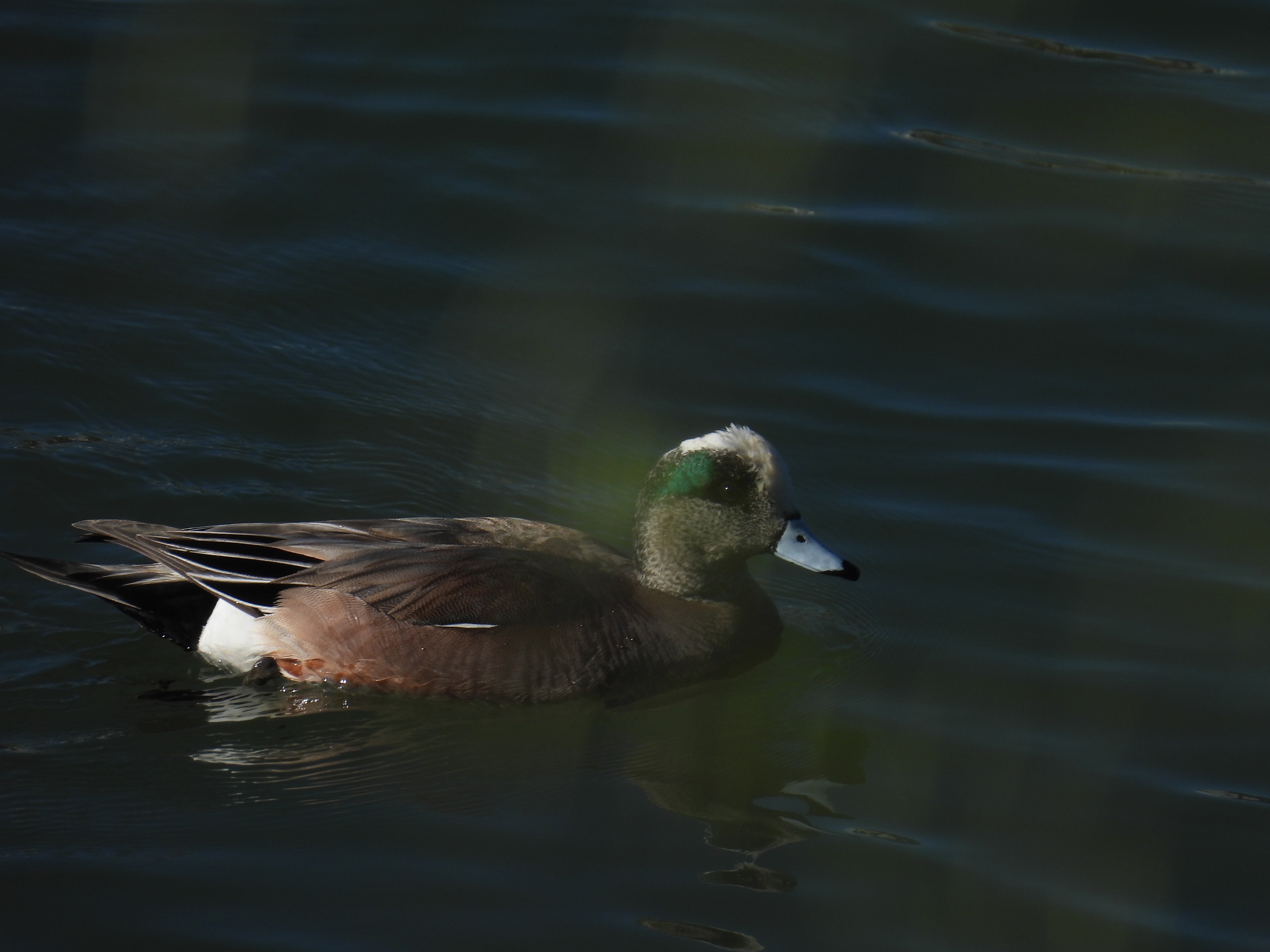
american wigeon (Mareca americana)
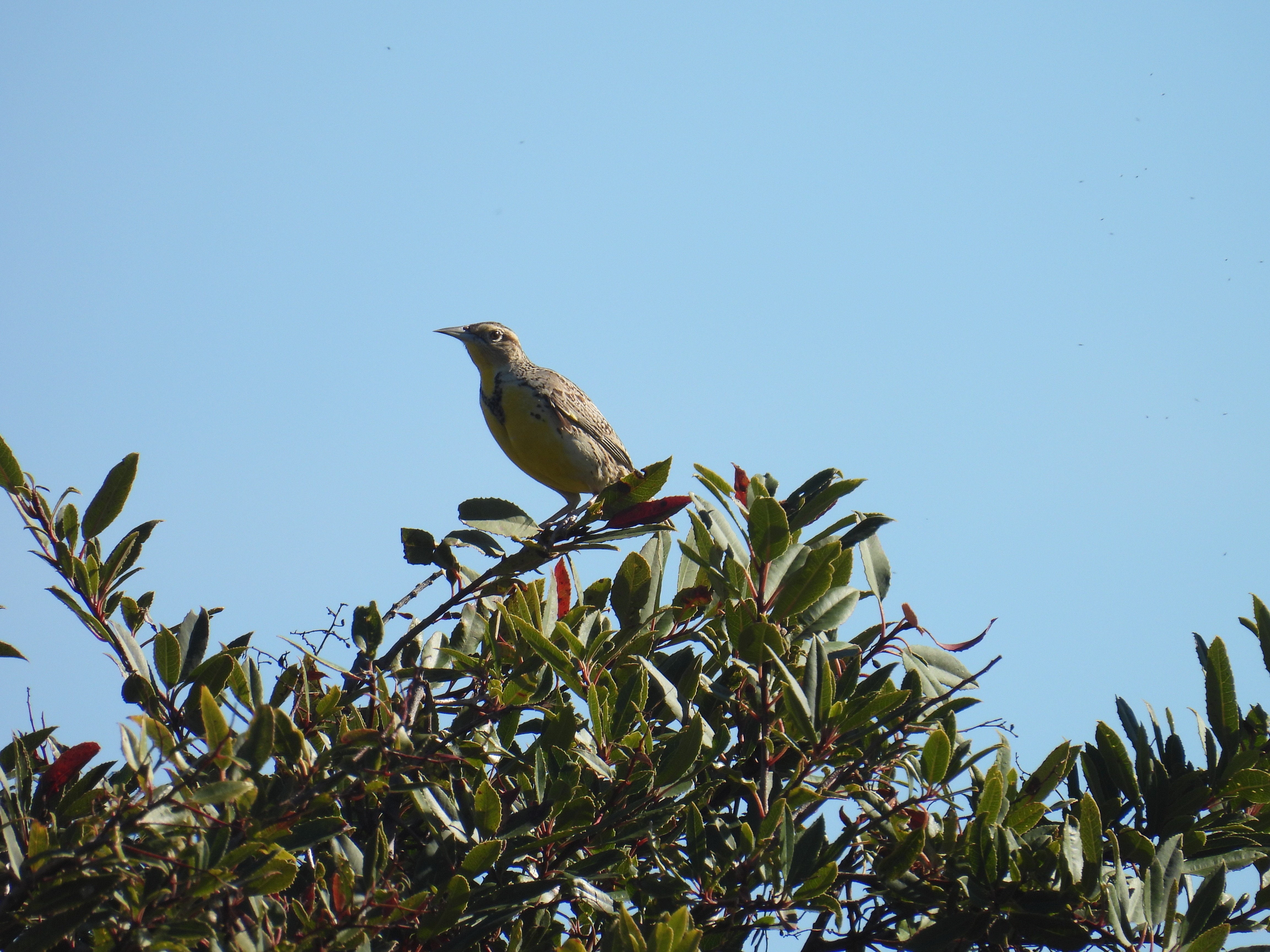
western meadowlark (Sturnella neglecta)
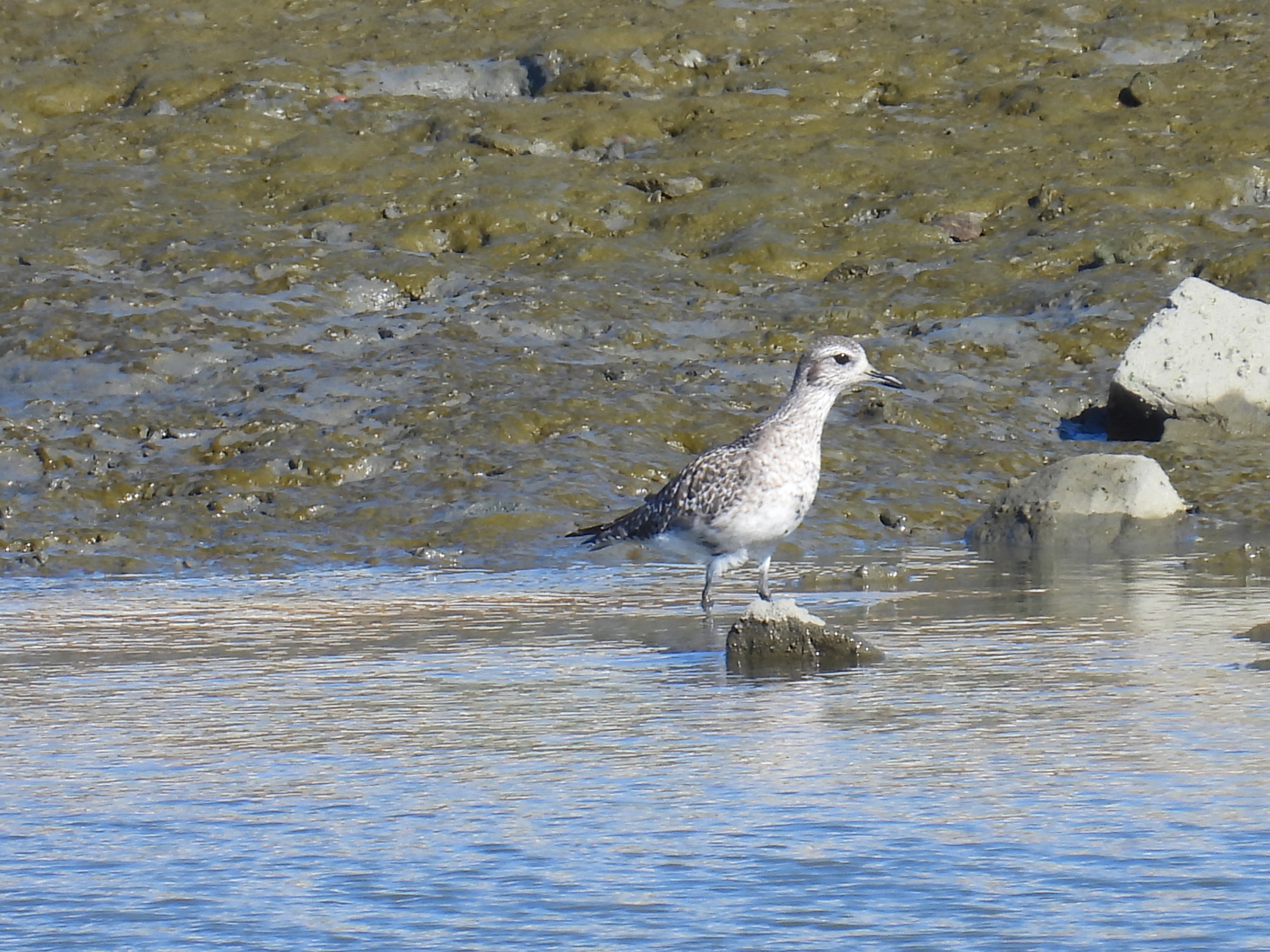
the black-bellied plover (Pluvialis squatarola) doesn't get the black belly until it gets its breeding plumage
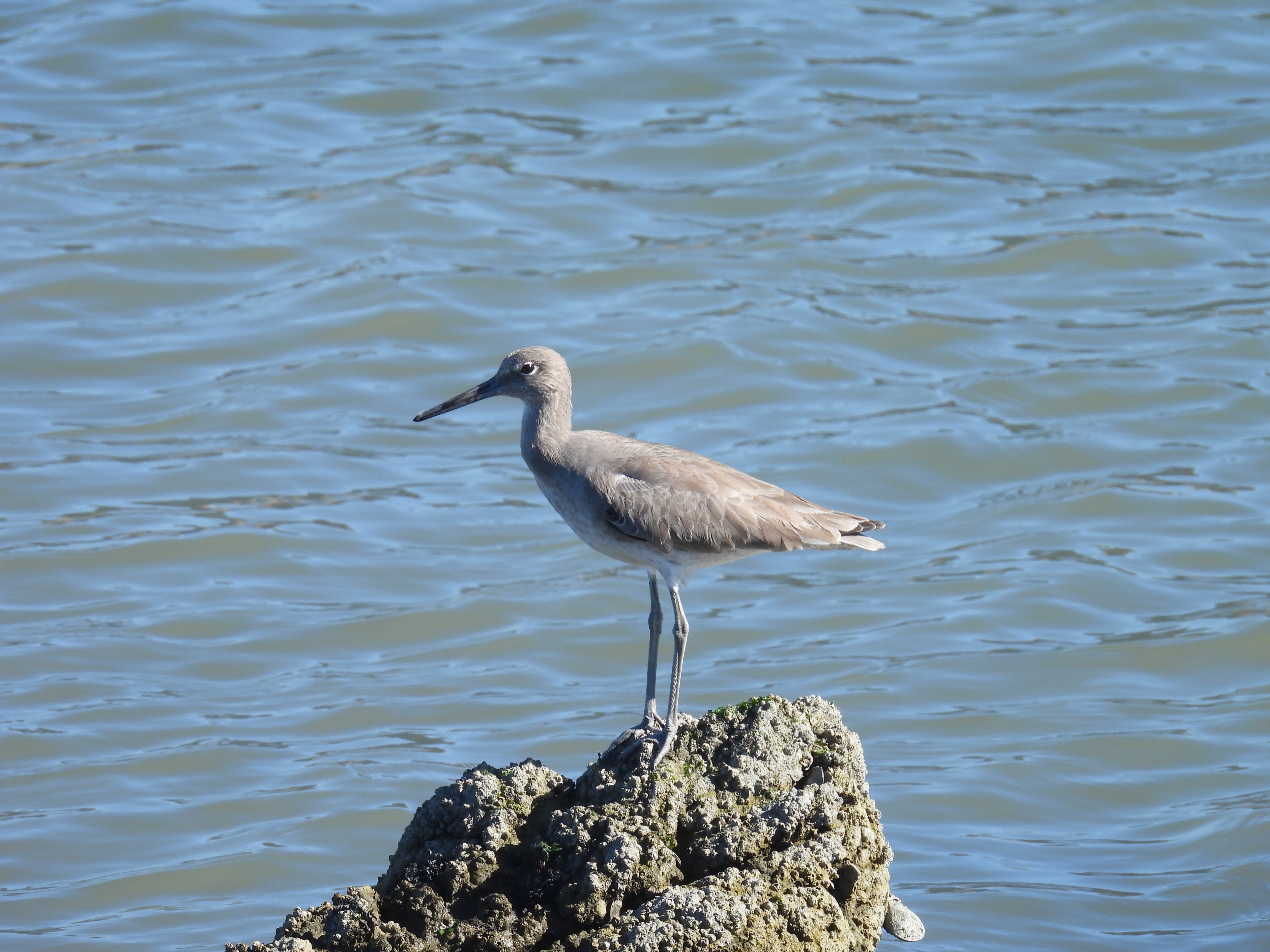
good example of a non-breeding coat on this willet (Tringa semipalmata)
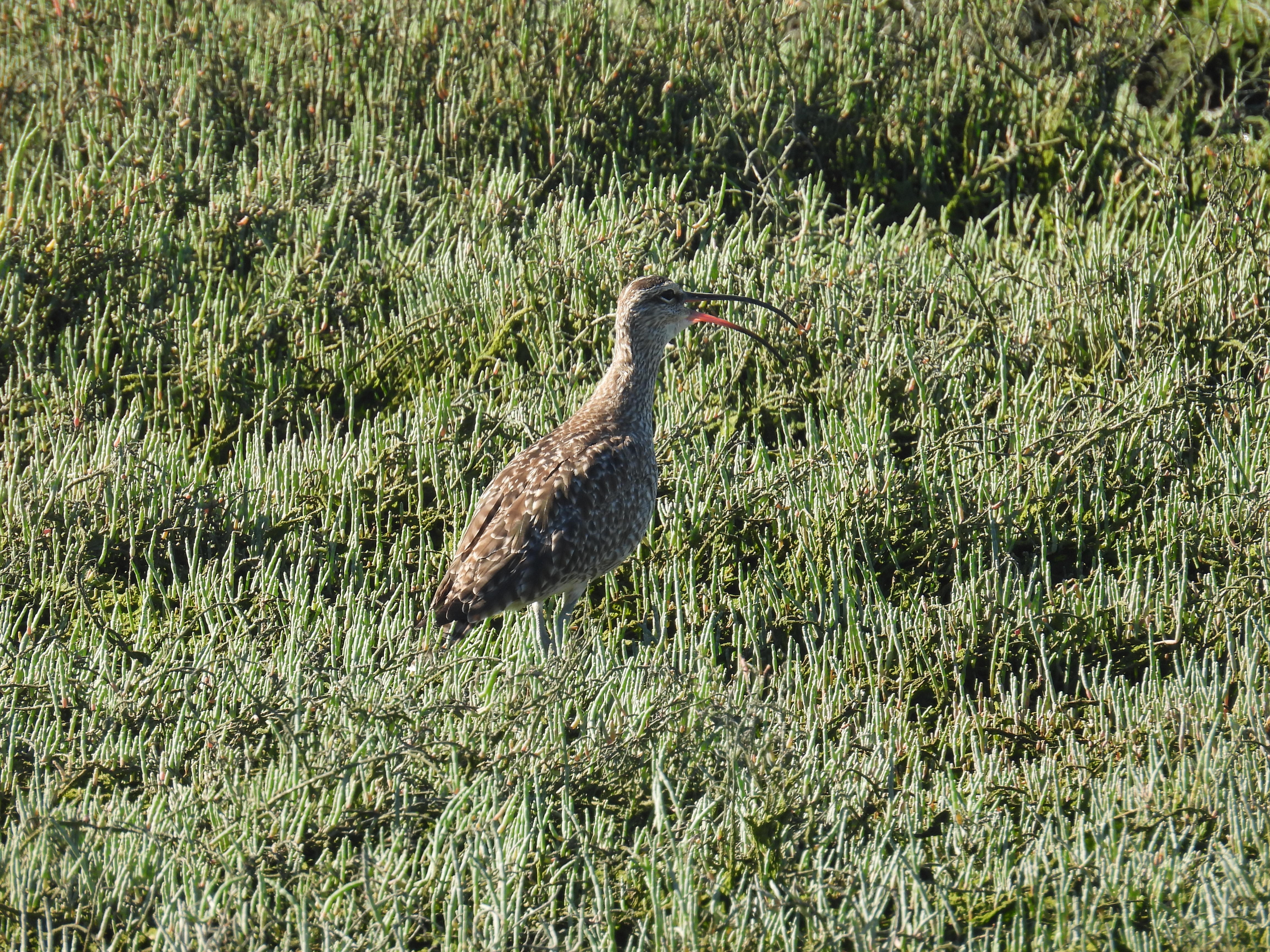
hudsonian whimbrel (Numenius hudsonicus)
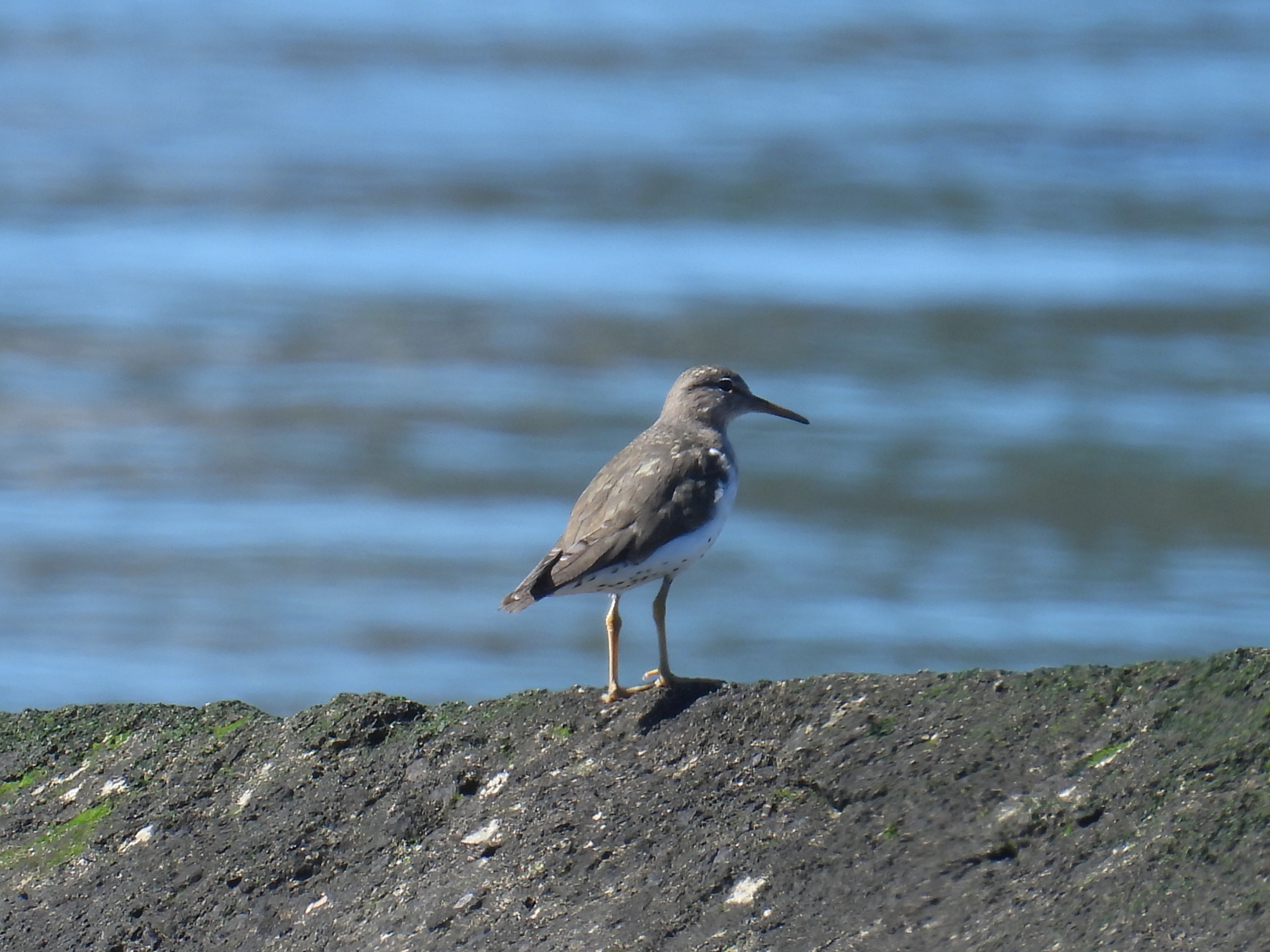
this spotted sandpiper (Actitis macularius) will get more spots in the summer
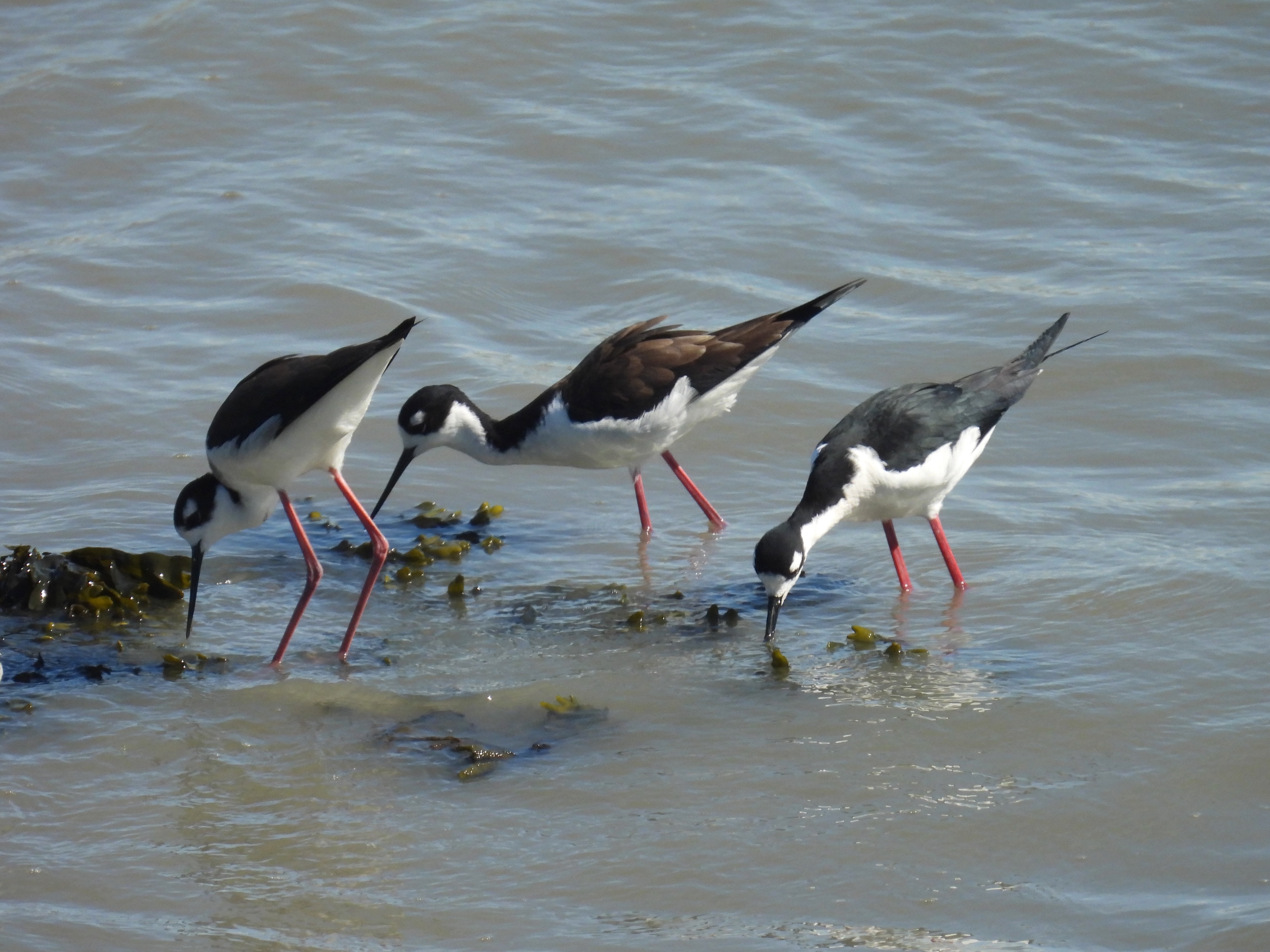
black-necked stilt (Himantopus mexicanus)
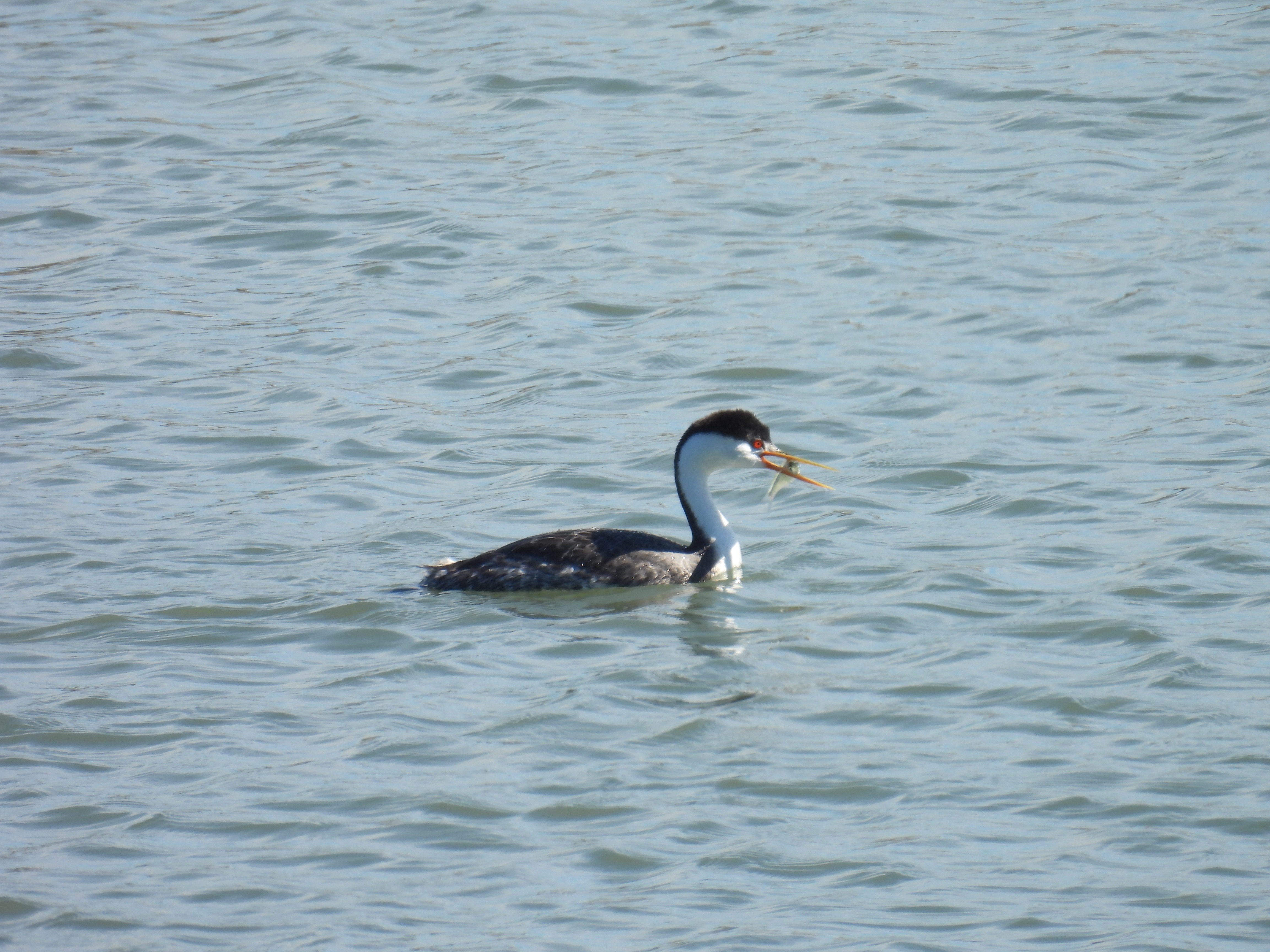
grebe munchin on fish. pretty sure this is a clark's grebe not a western grebe
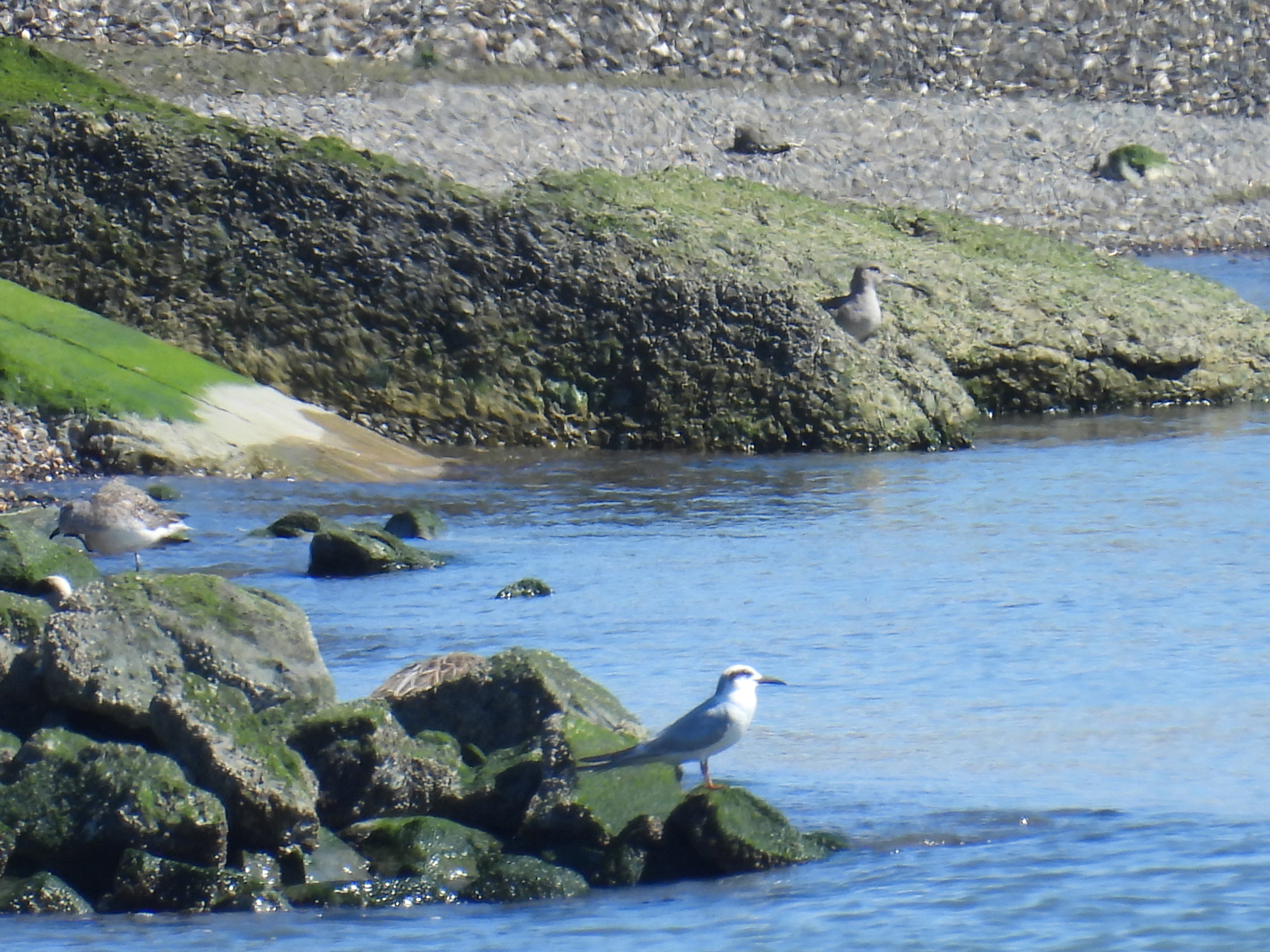
non-breeding forster's tern (Sterna forsteri). the breeding terns will have that classic black cap.
Thank you to everyone who came out and thank you to
Taylor for the photos :)
April Bird Walk
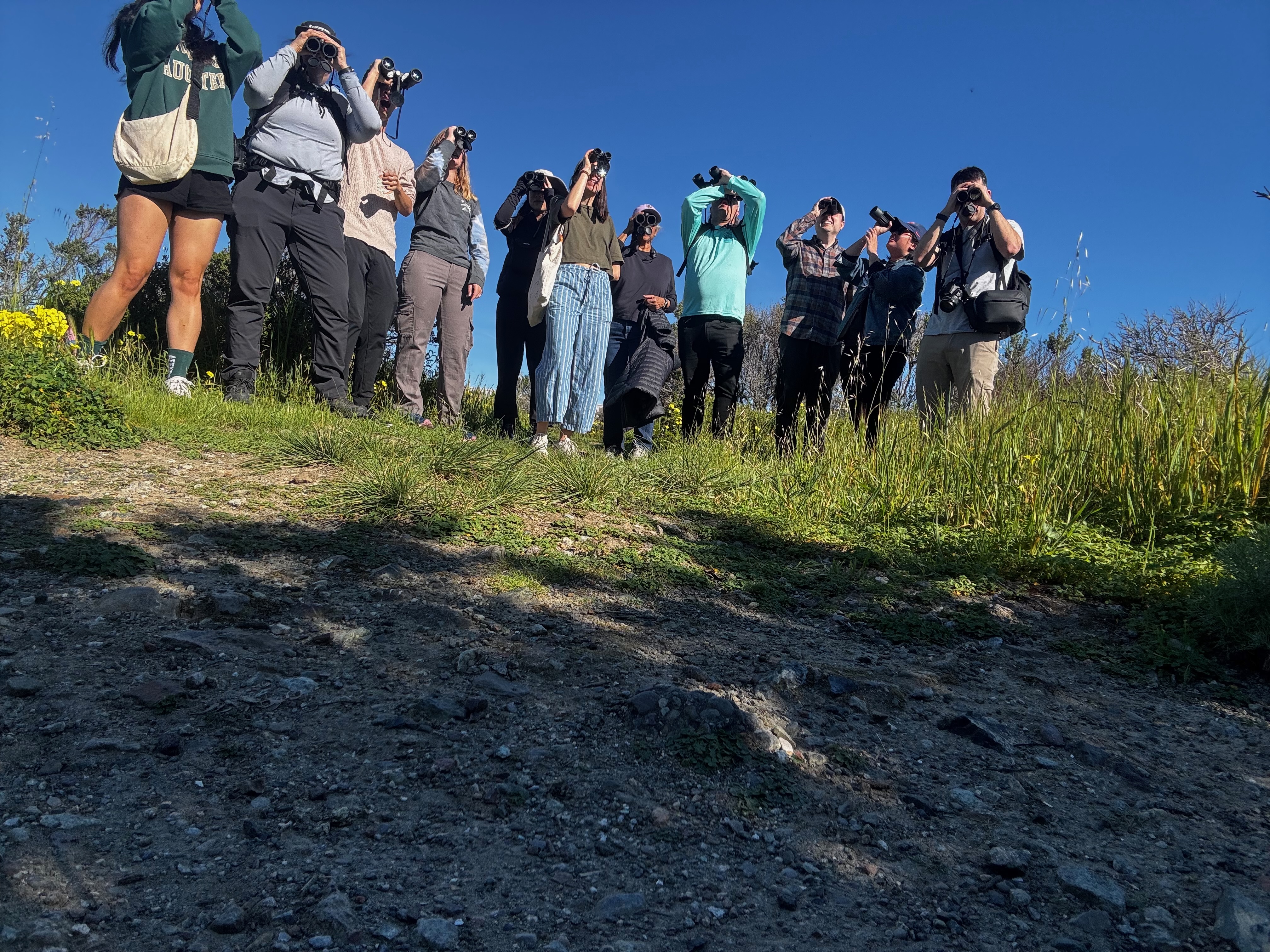
another picture from the march birding walk
This month we'll return to a familiar spot, the chain of lakes in GGP, before trying another new spot next month.
Side note - let me know if anyone has any suggestions.
I'm thinking about Lake Merced or going to Bernal to see the great horned owl chicks.
The birding walk will be on the saturday morning of april 11th.
Head to the partiful link
to rsvp.
Spotlight Bird: American Avocet (Recurvirostra americana)
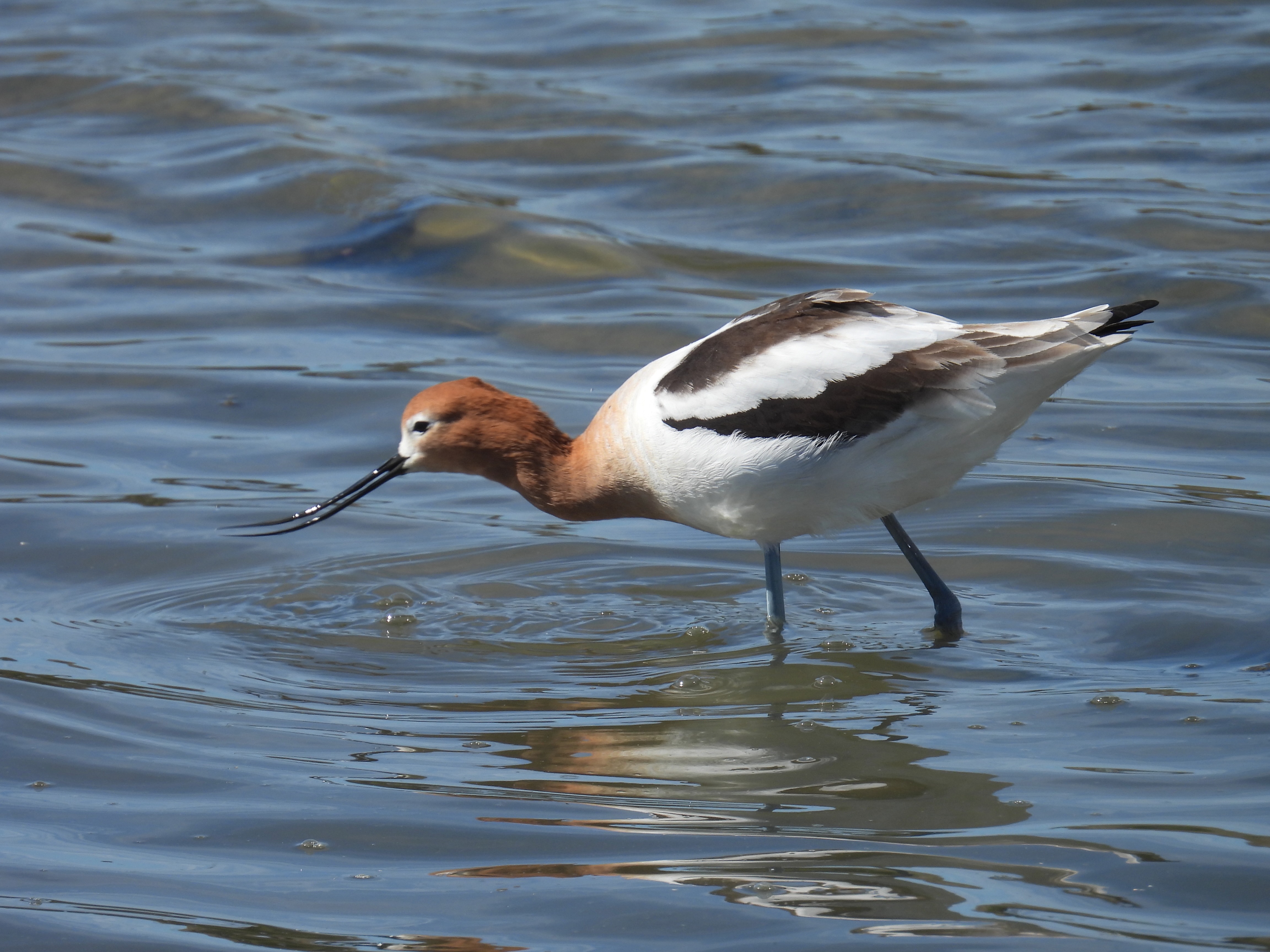
american avocet at pier 94
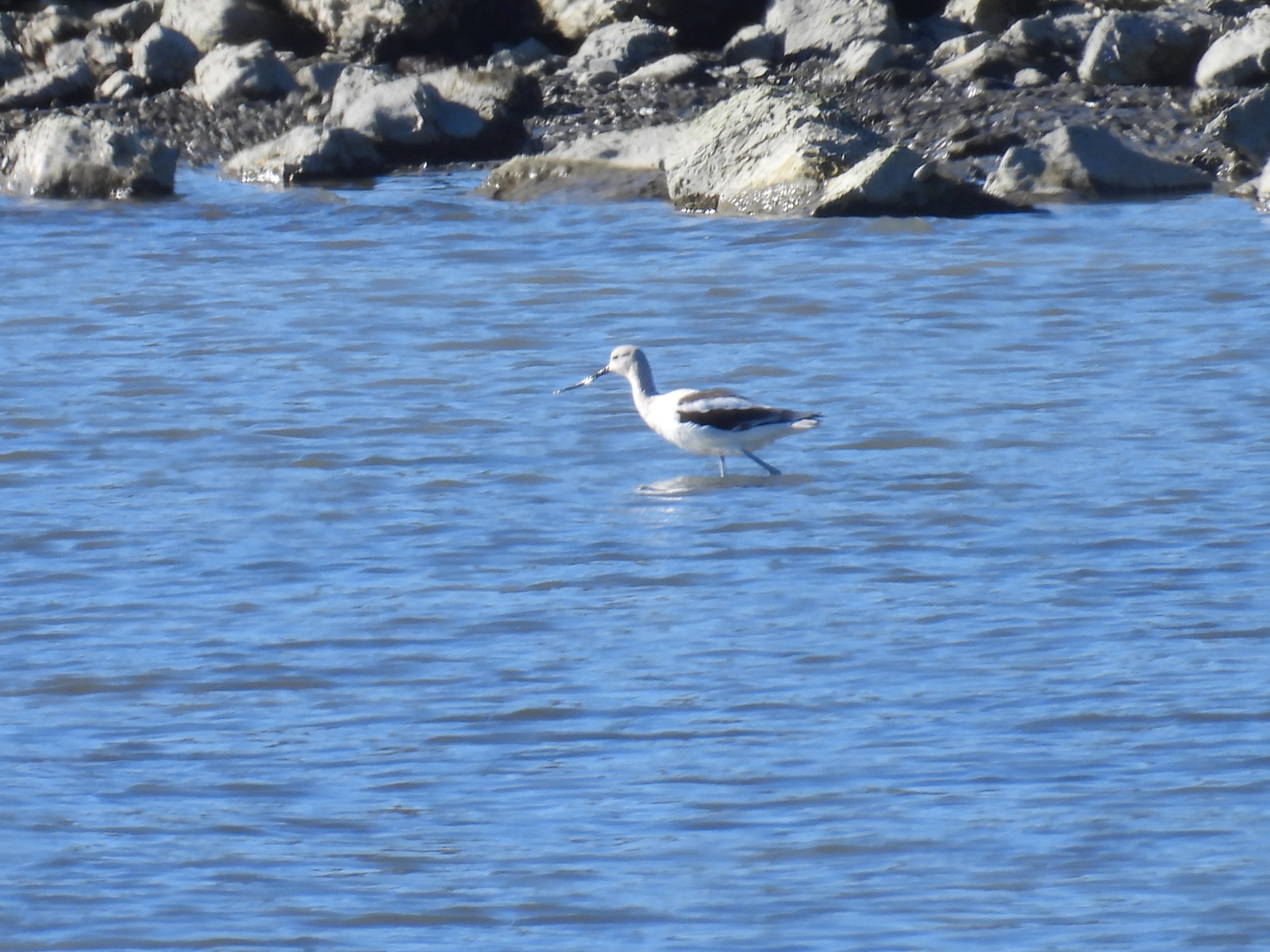
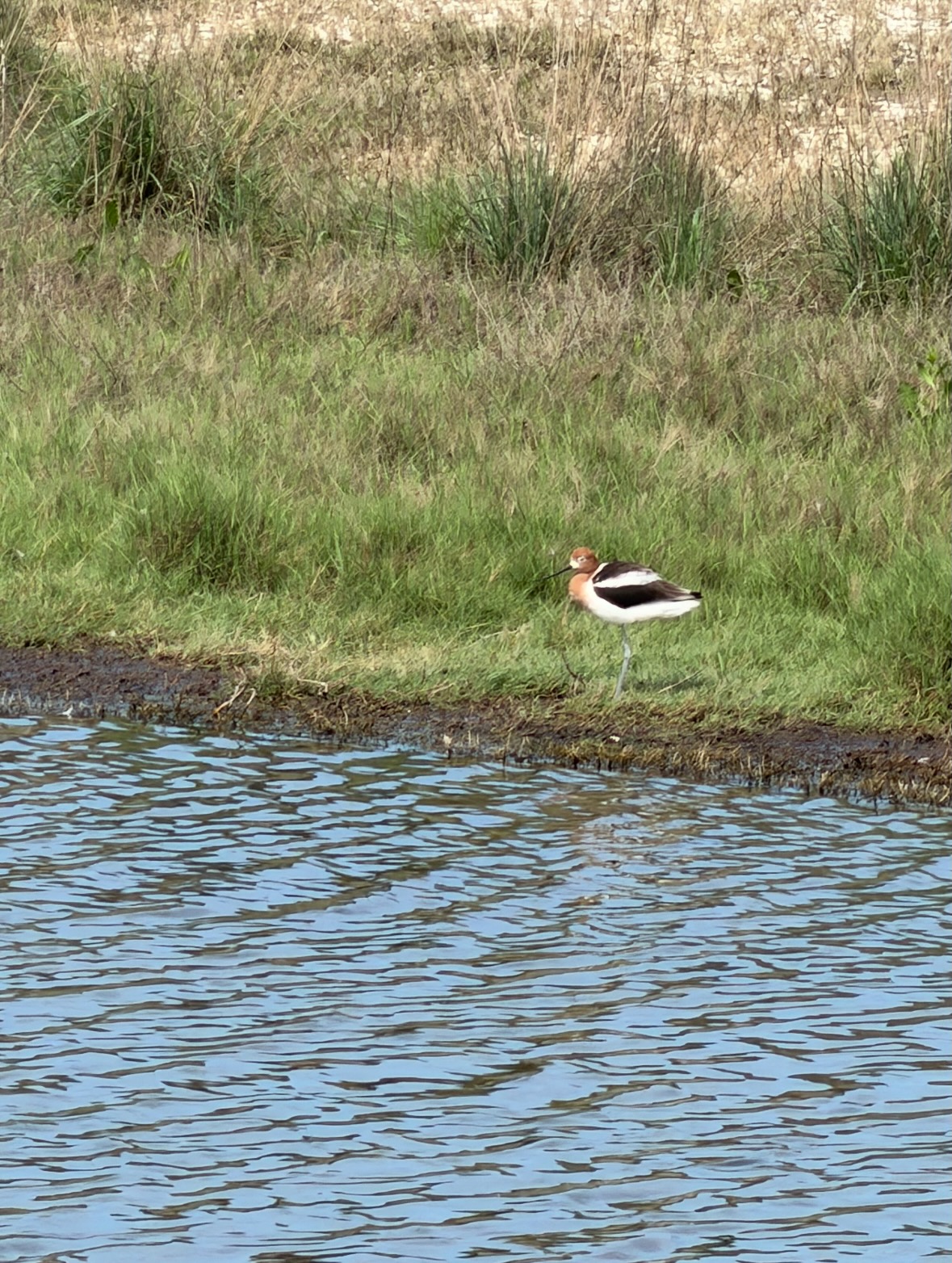
Avocets are pretty cool. We saw one at Heron's Head in its winter plumage
and we saw some more of them at pier 94 so thought theyd make for a good bird of the month
range map from cornell's all about birds site
Fun American Avocet Facts:
here's a cool word: precocial.
Avocets are very precocial and the chicks leave the nest within 24 hours of hatching.
in the winter they don't have that pretty burnt orange look they instead have a cool grey look.
This is a picture from our walk at Heron's Head:
there are resident populations in the sf bay
but some of the other migratory populations spend breeding season in central/western US and canada
and migrate to coasts on both sides of the continent
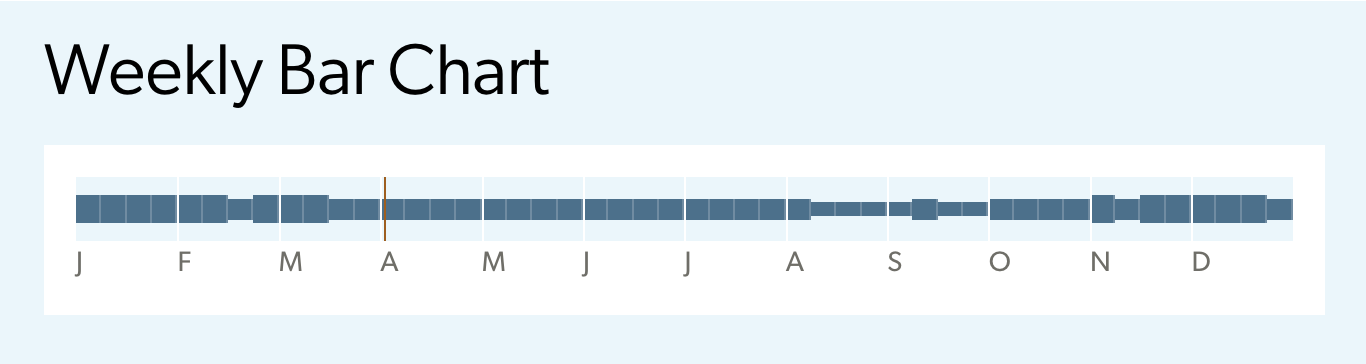
sightings chart for sf from ebird
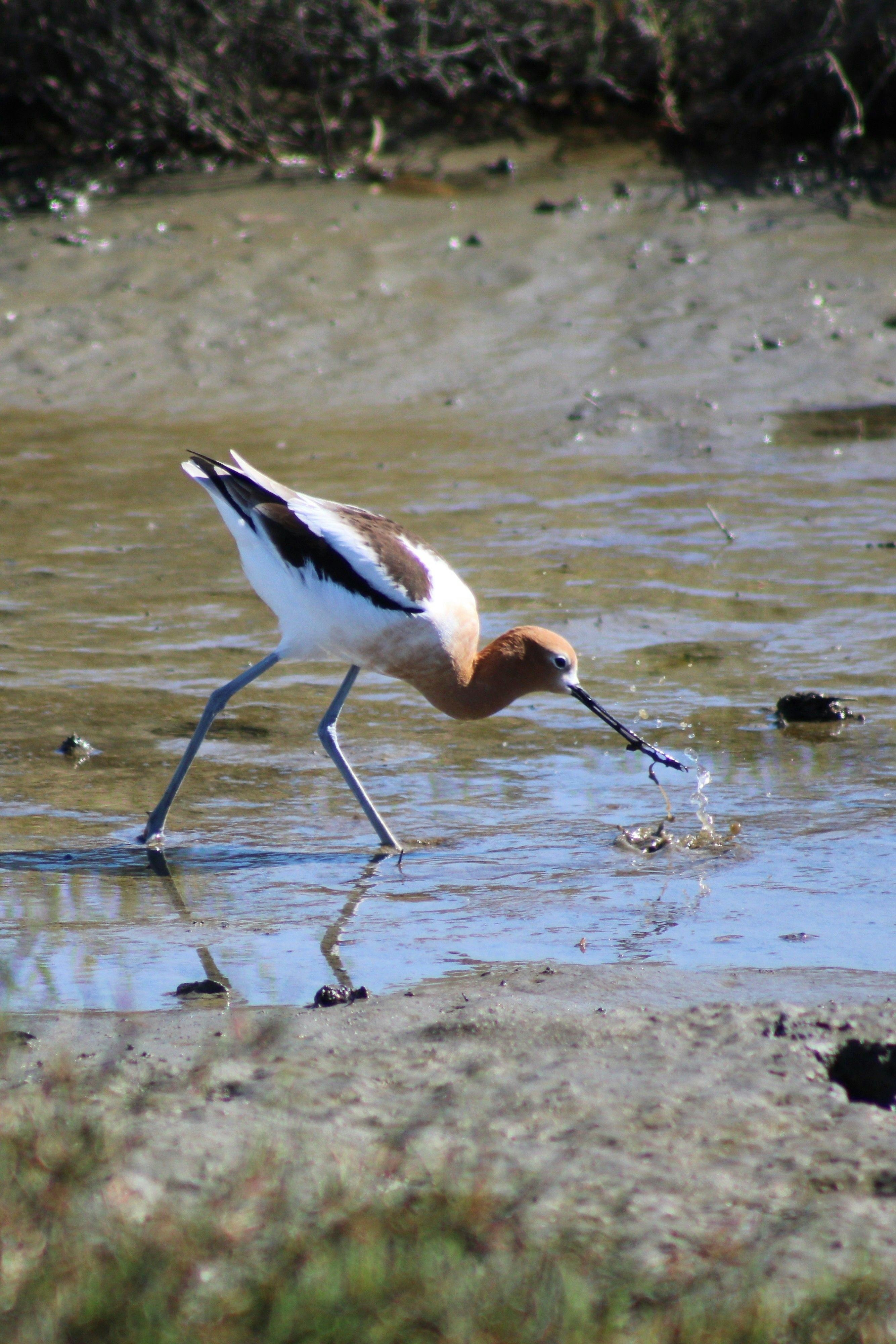
they like brine shrimp and various invertebrates and do a cool technique where they sweep their open bill
on the surface of shallow water like a scythe and this is called scything.
I think that's what Taylor and I saw them doing in this shallow water by Pier 94.
Here's another of Taylor's photos:
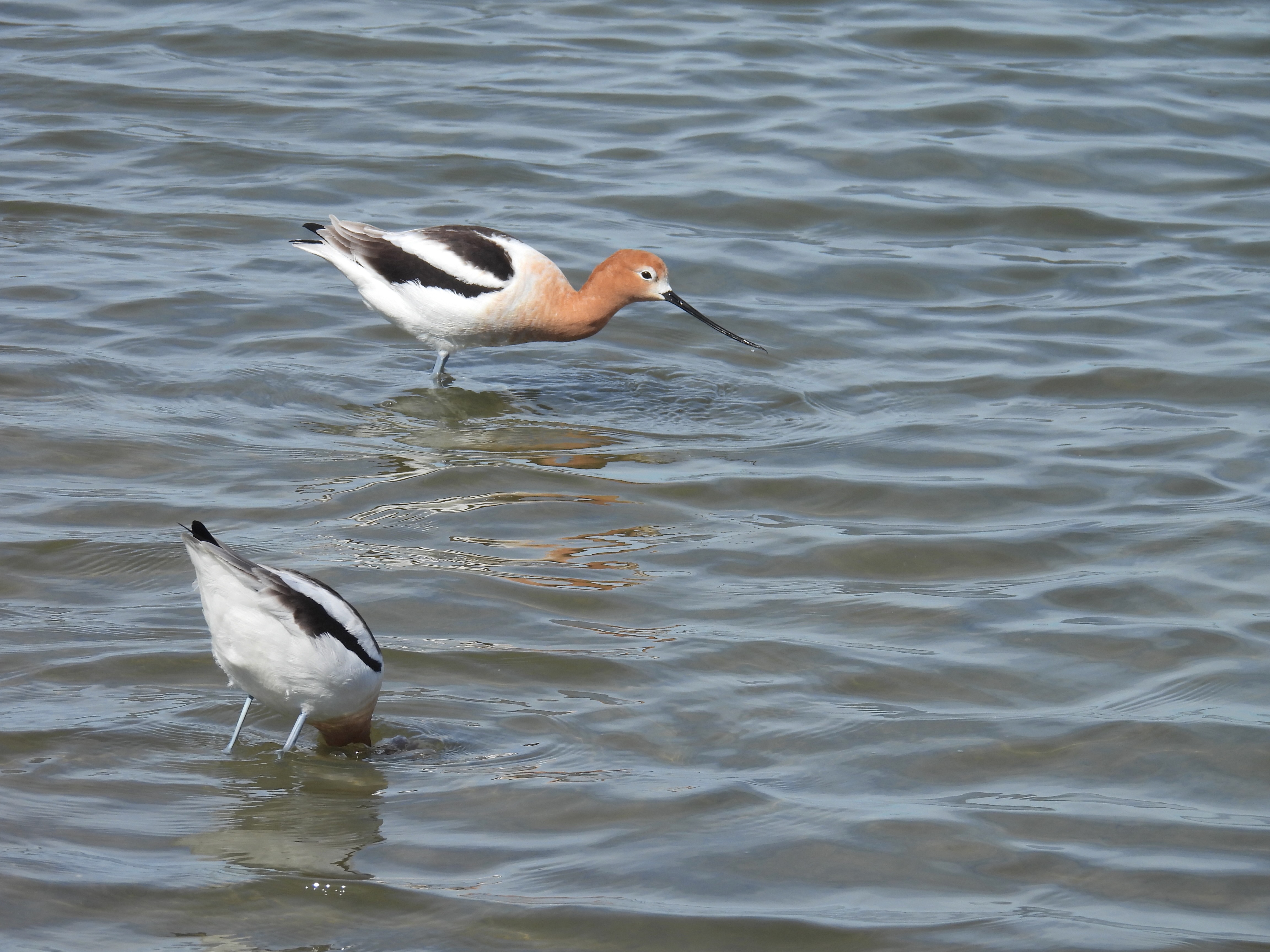
They have other methods for foraging including fully submerging their heads like this:
another pier 94 avocet
Member Submissions
Thank you to everyone who sent me photos of the birds they saw!
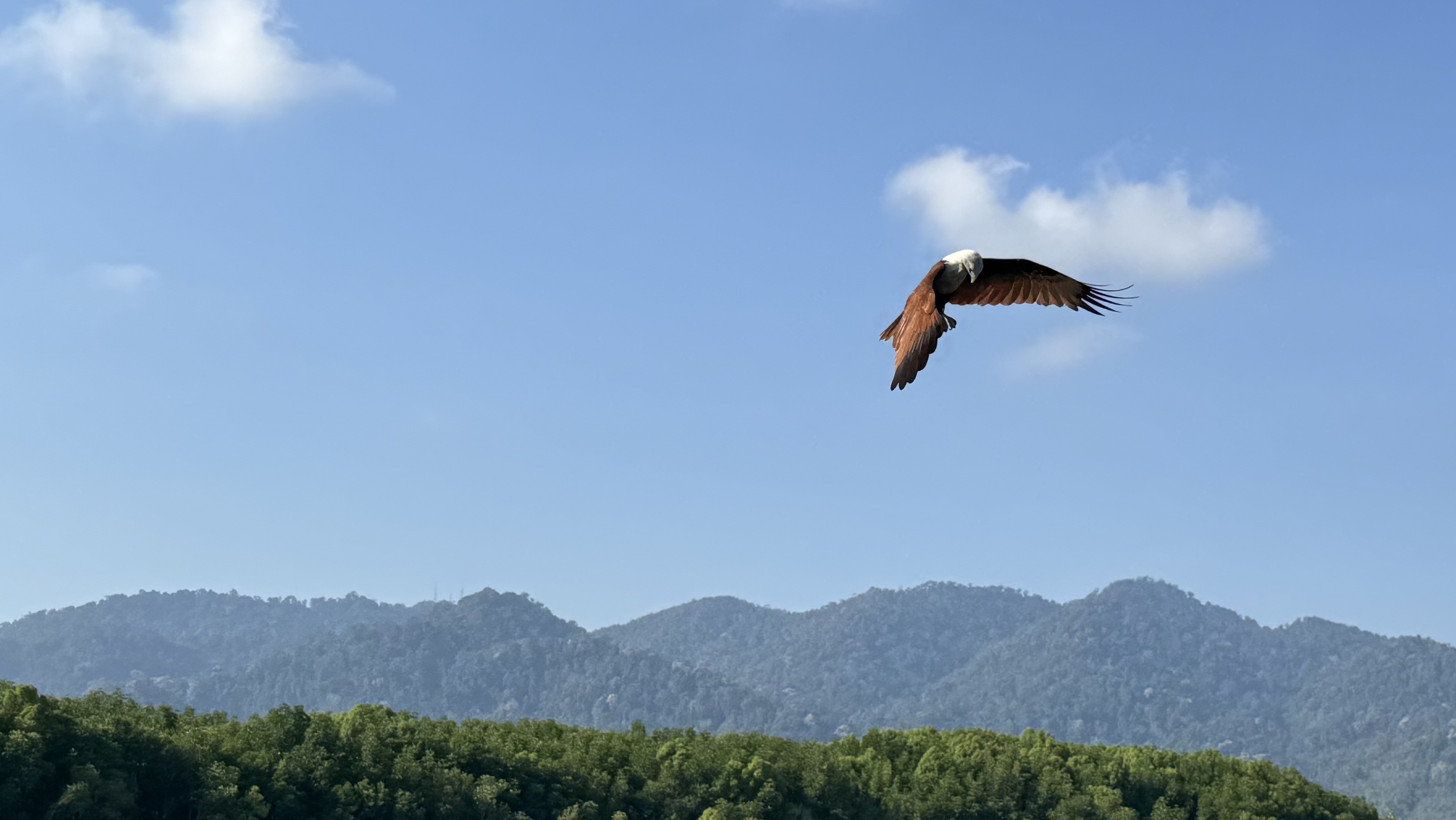
Leading us off Ronnie took one of my favorite pictures I've been sent of this
brahminy kite in Malaysia
brahminy kite (Haliastur indus)
Dom saw a bunch of cool birds in california and florida
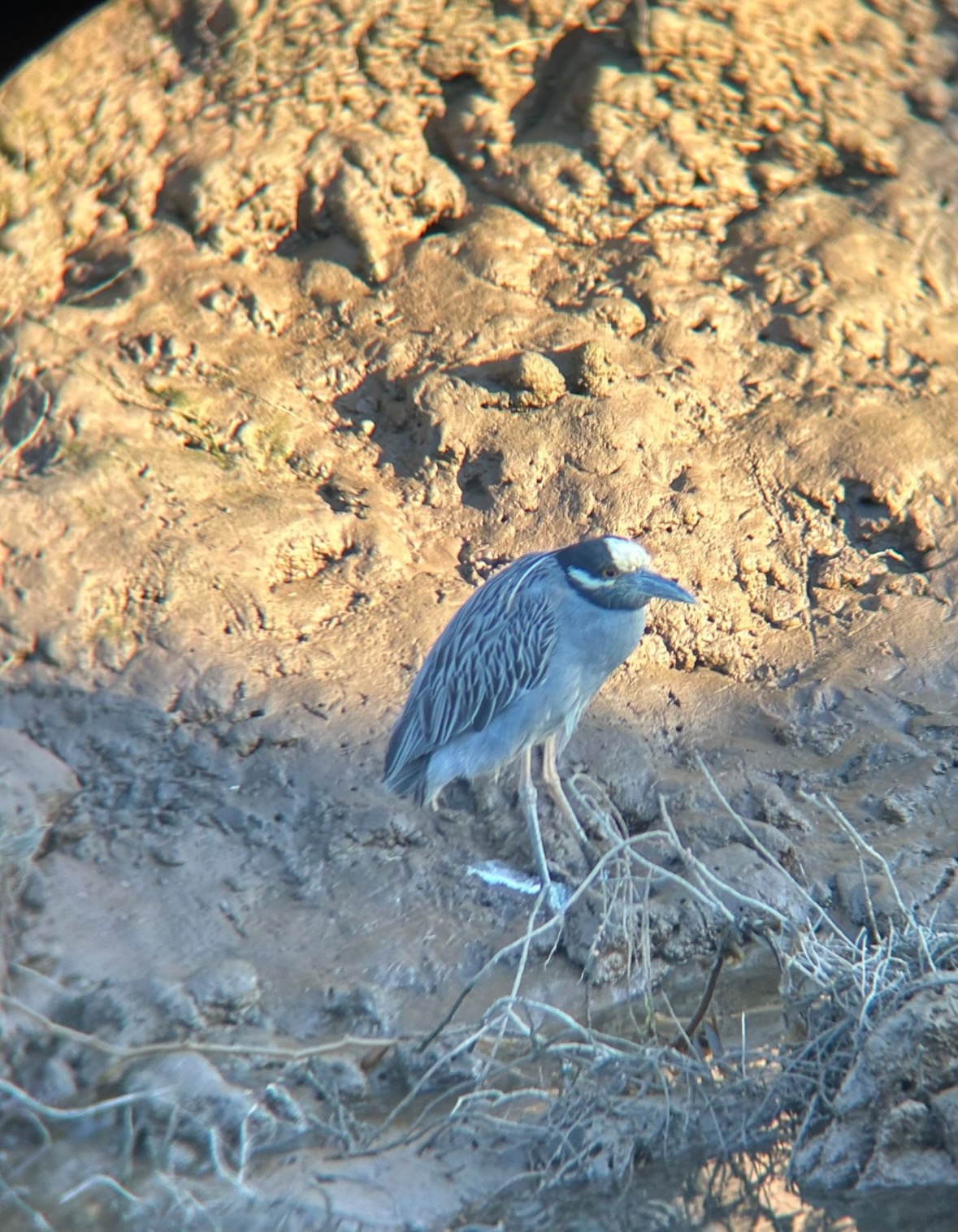
yellow-crowned night heron (Nyctanassa violacea) in sb
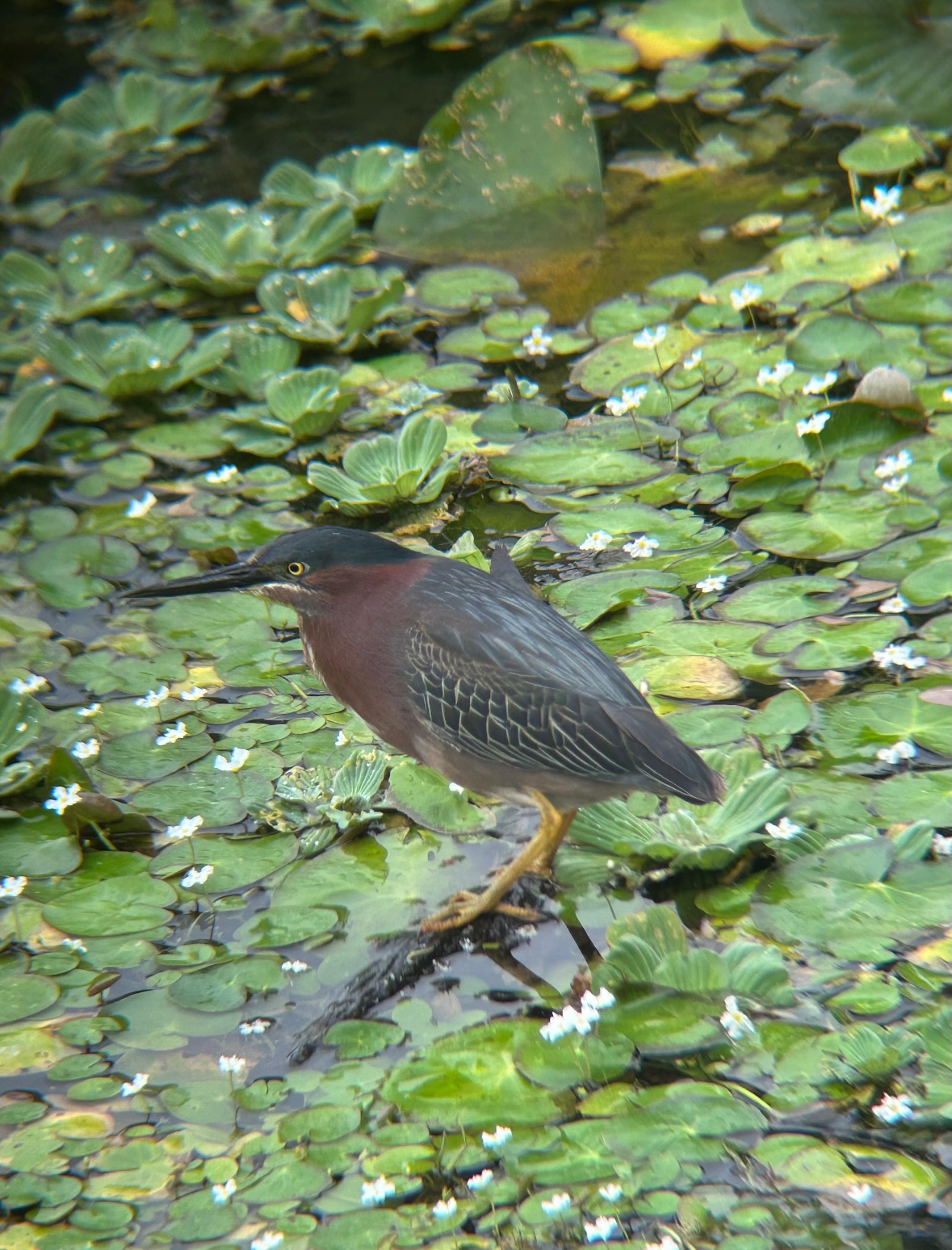
green heron (Butorides virescens) also in sb
greater roadrunner (Geococcyx californianus) too fast for the camera
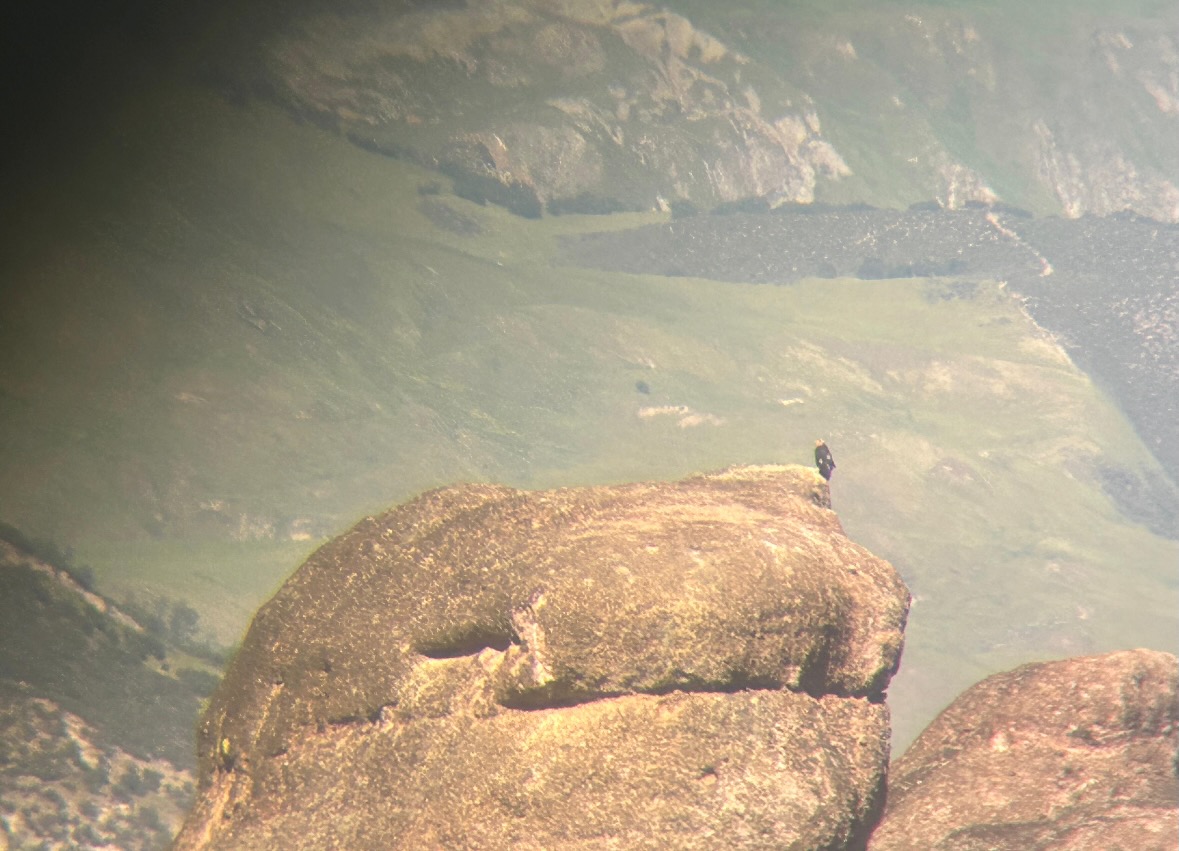
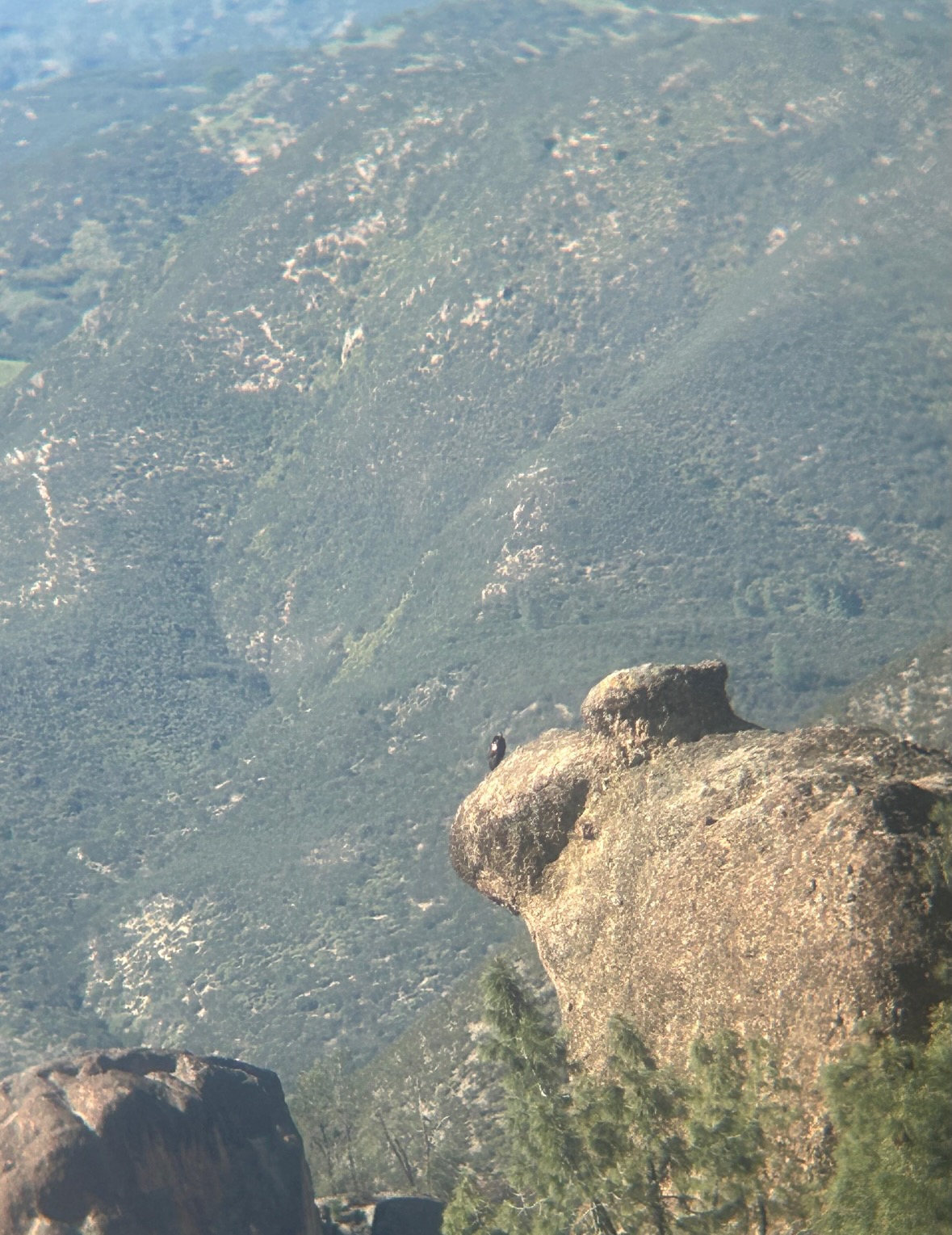
california condor (Gymnogyps californianus) in pinnacles
this one looks like a juvenile with the black head
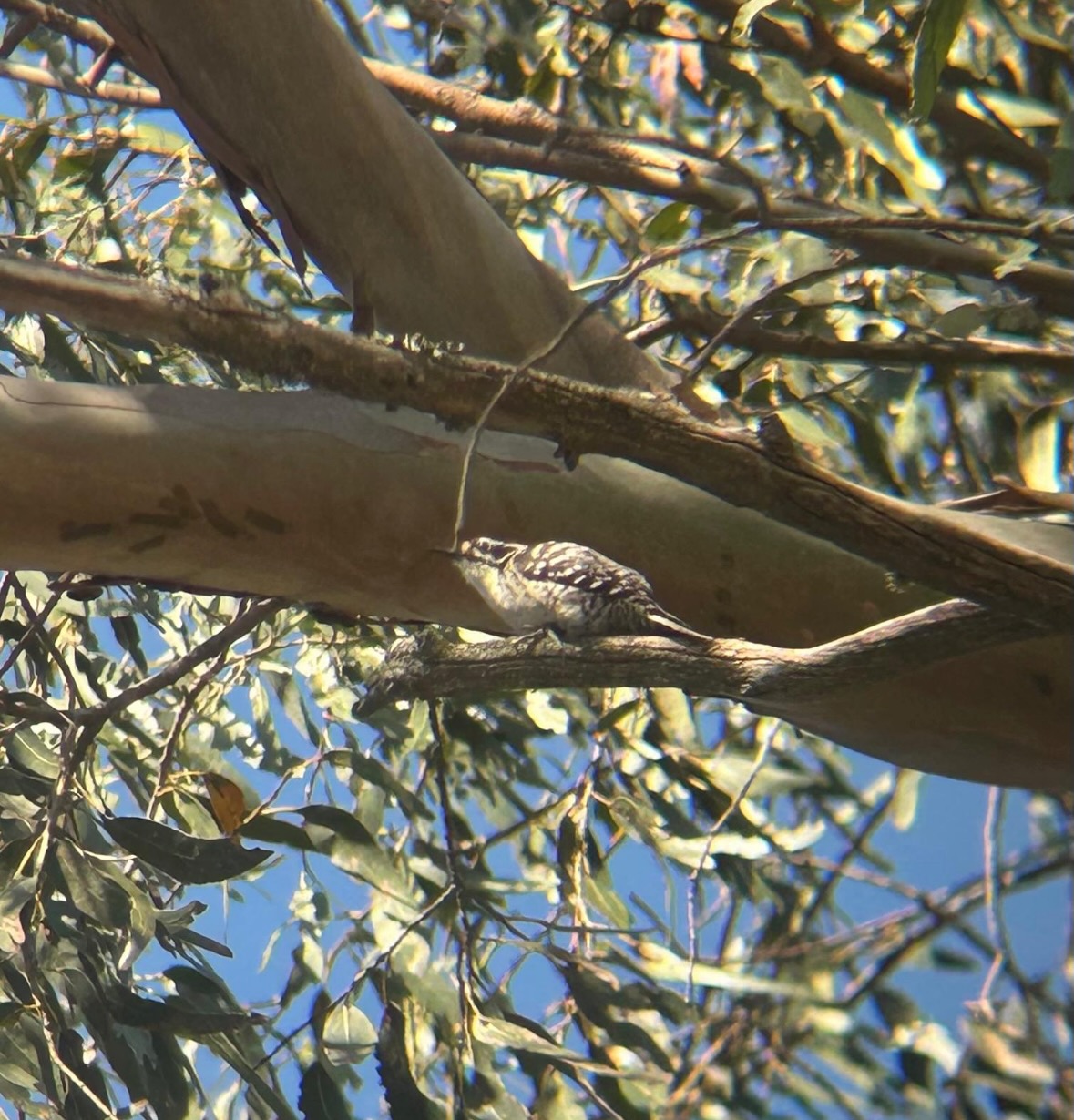
nuttal's woodpecker (Dryobates nuttallii) in sb
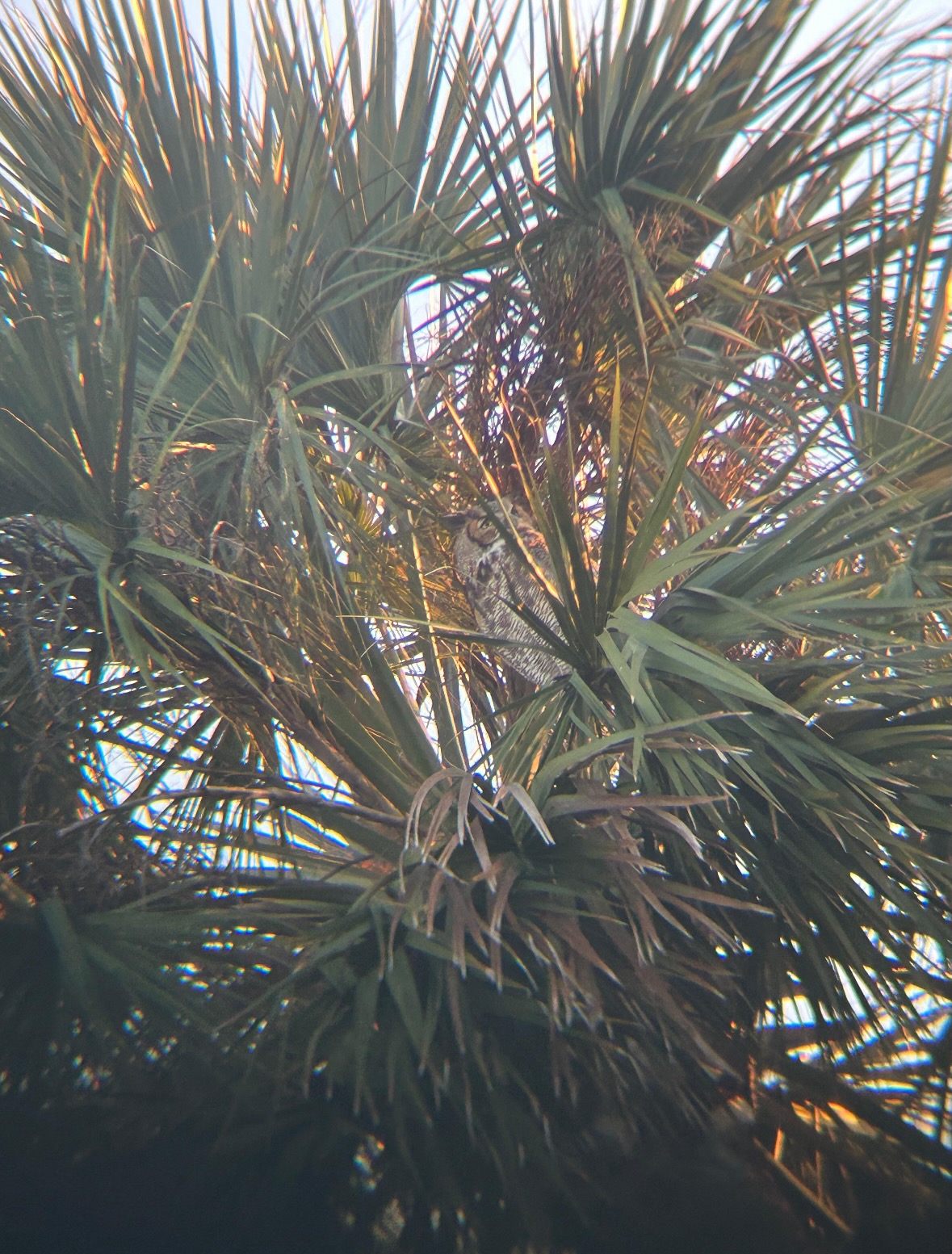
great horned owl (Bubo virginianus) in florida
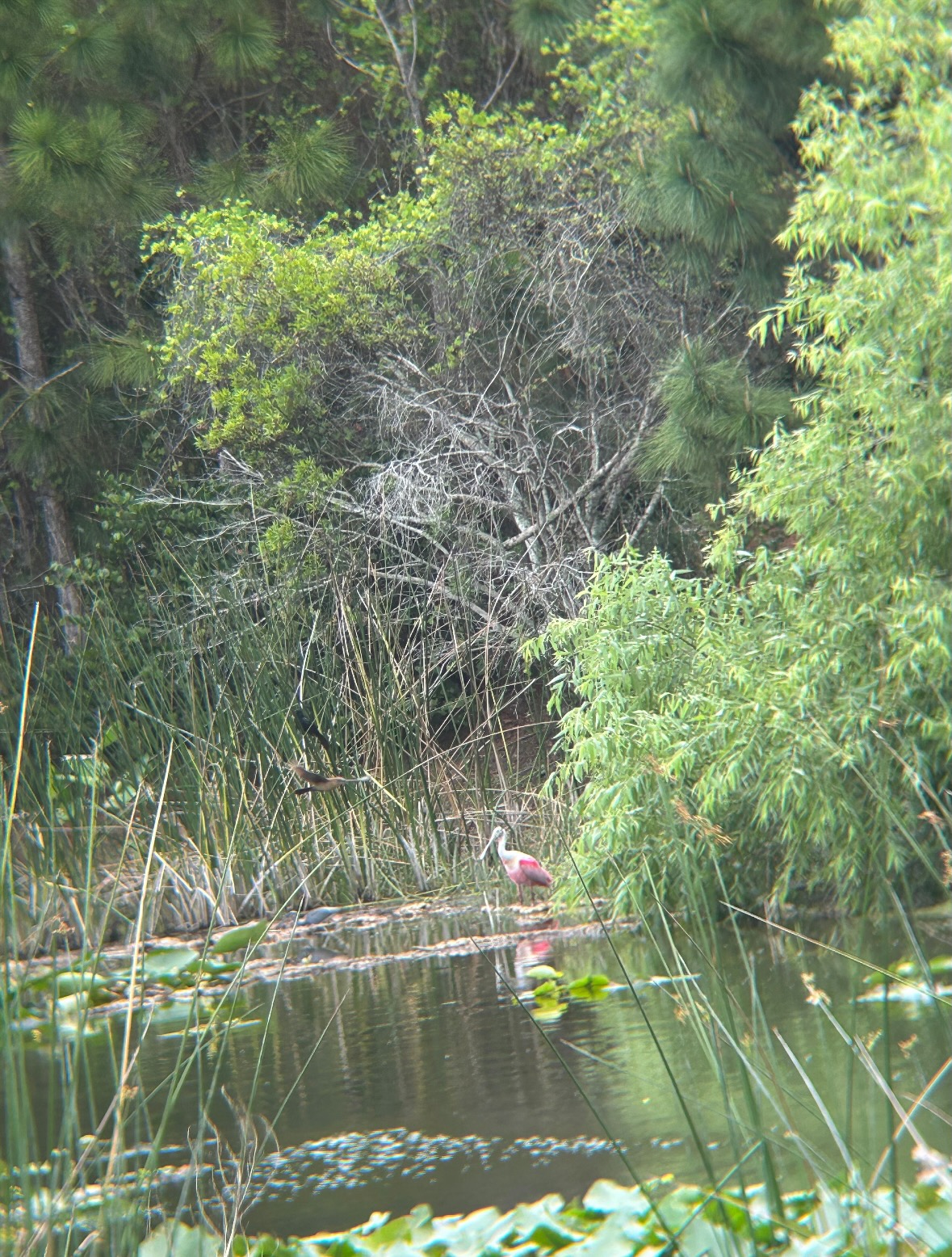
roseate spoonbill (Platalea ajaja) in florida
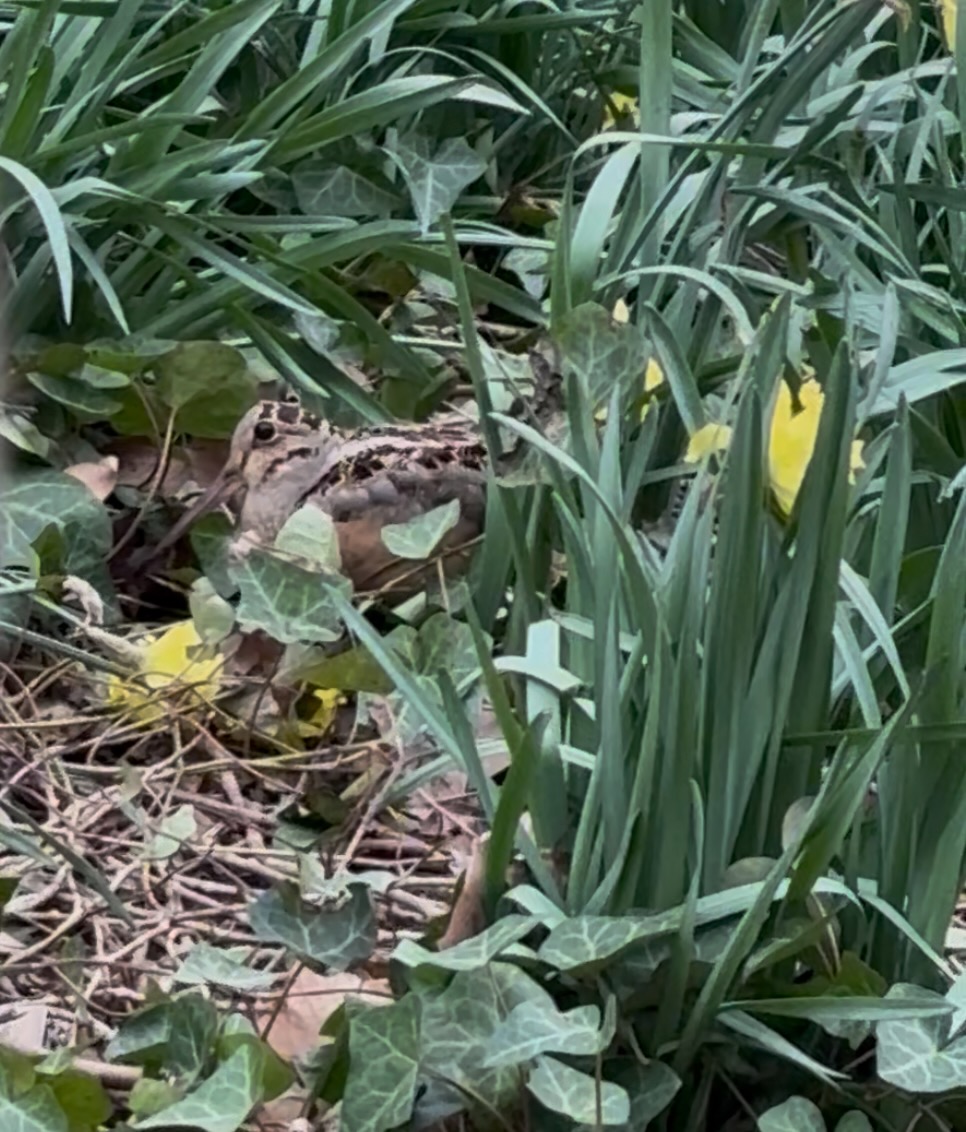
Ani went to Bryant's Park in nyc for the celebrity woodcock
this american woodcock (Scolopax minor) draws crowds
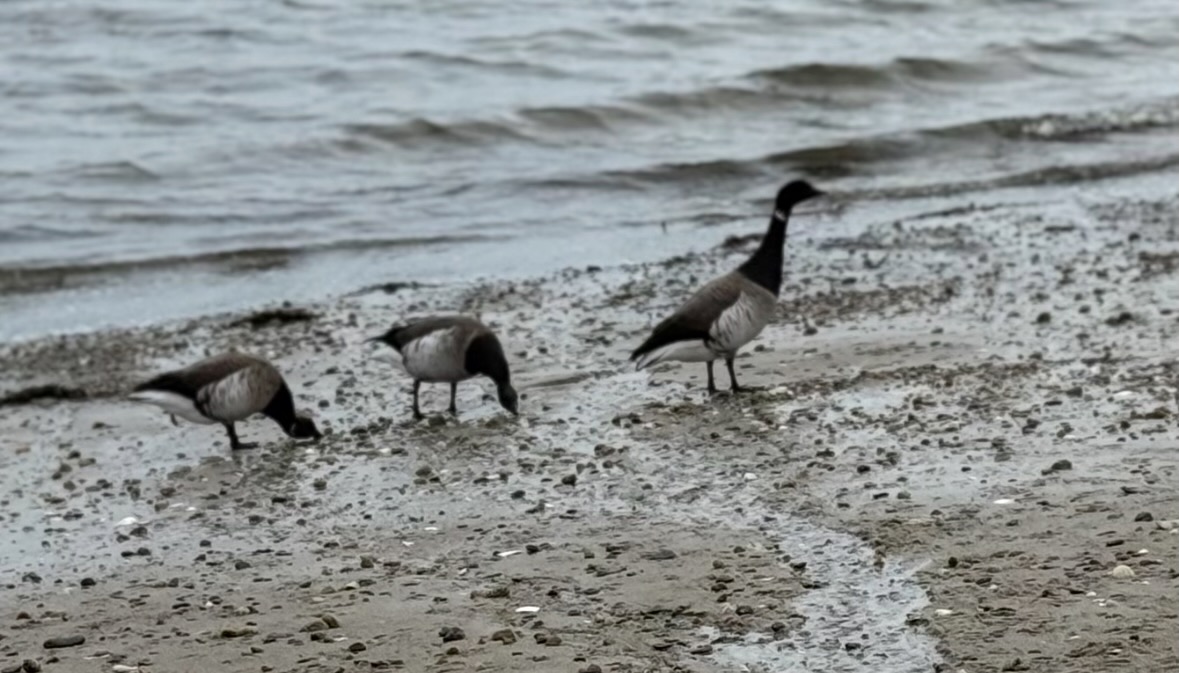
Frank saw some Brant in Rhode Island
the Brant (Branta bernicla) were a little snooty.
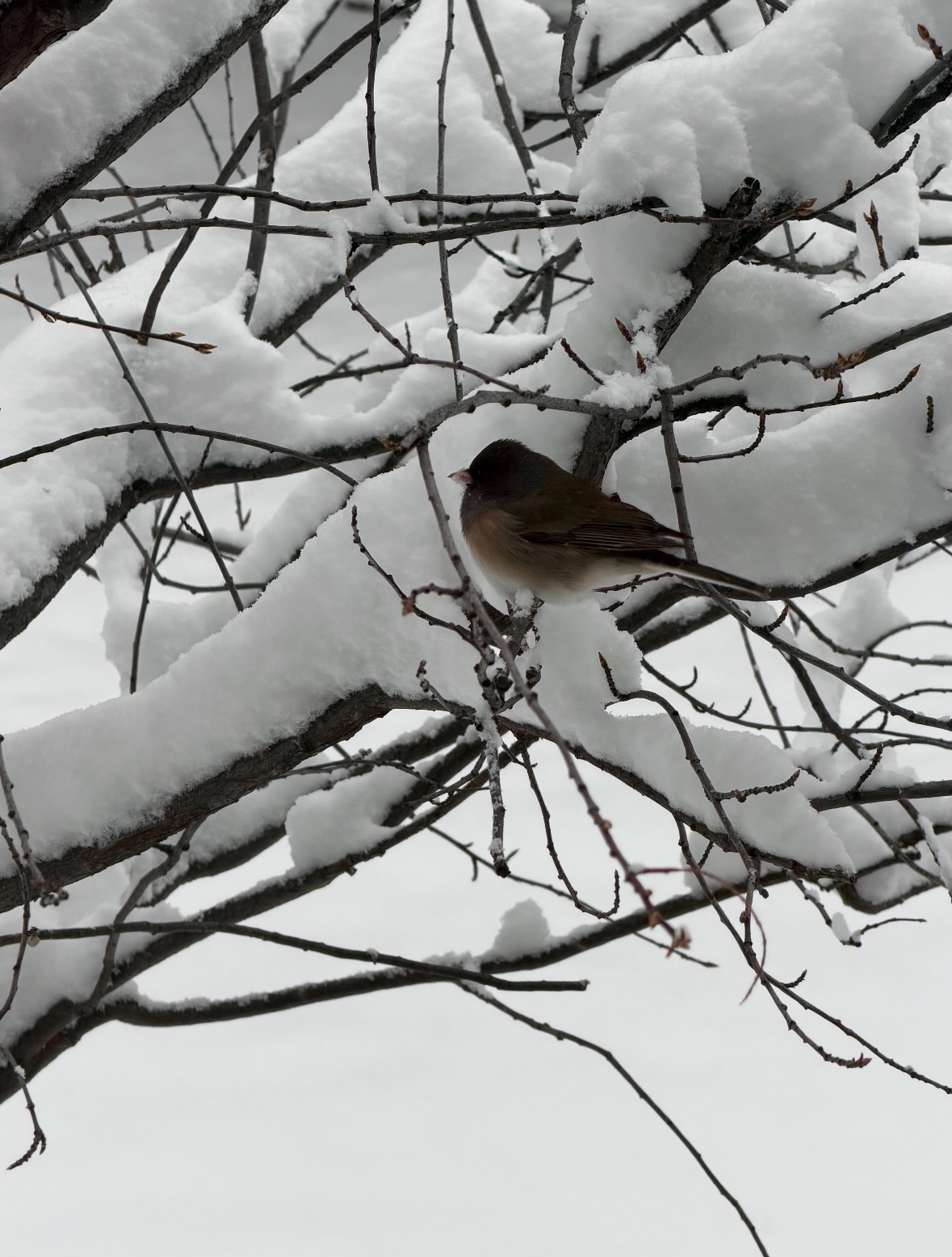
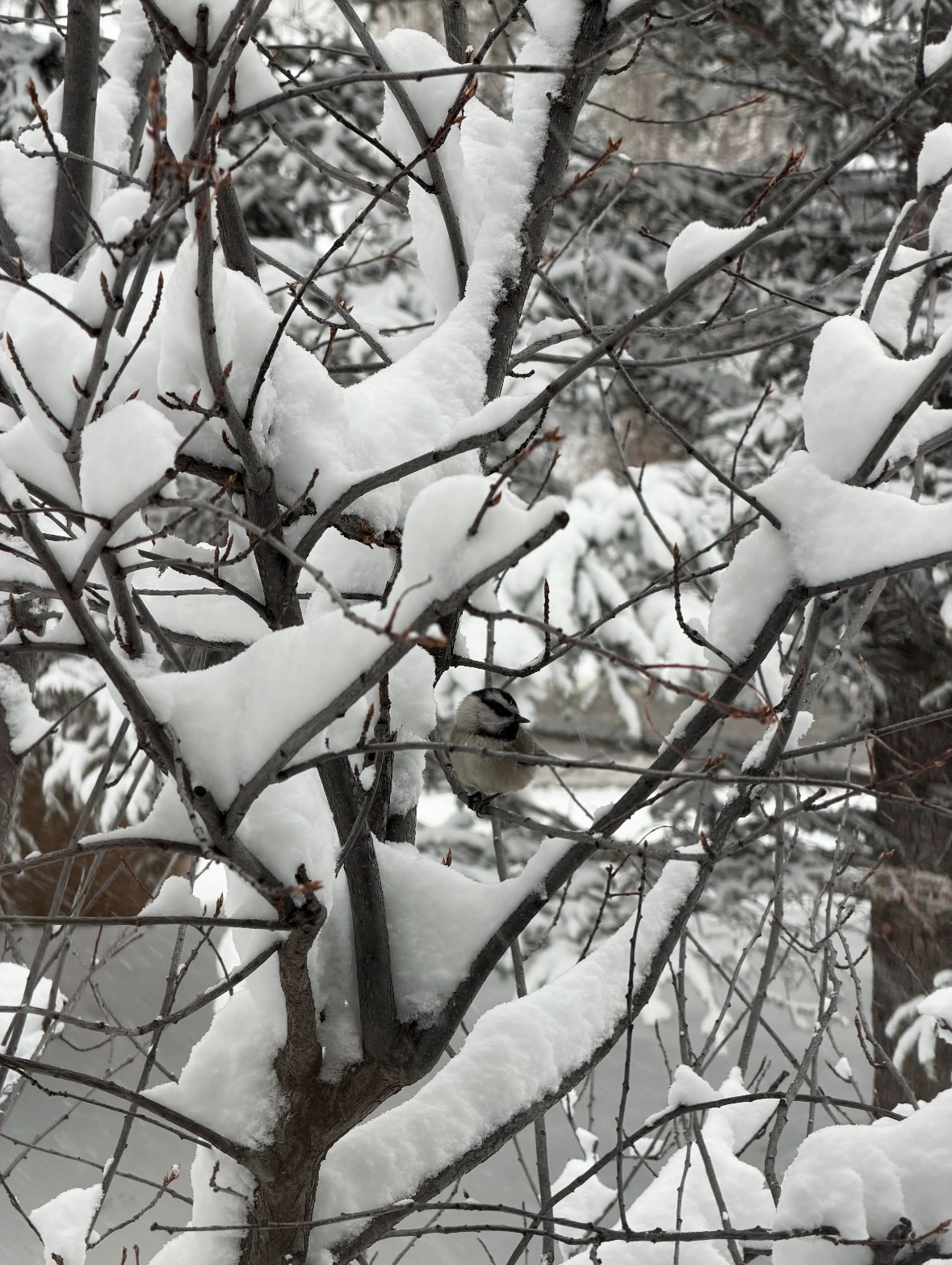
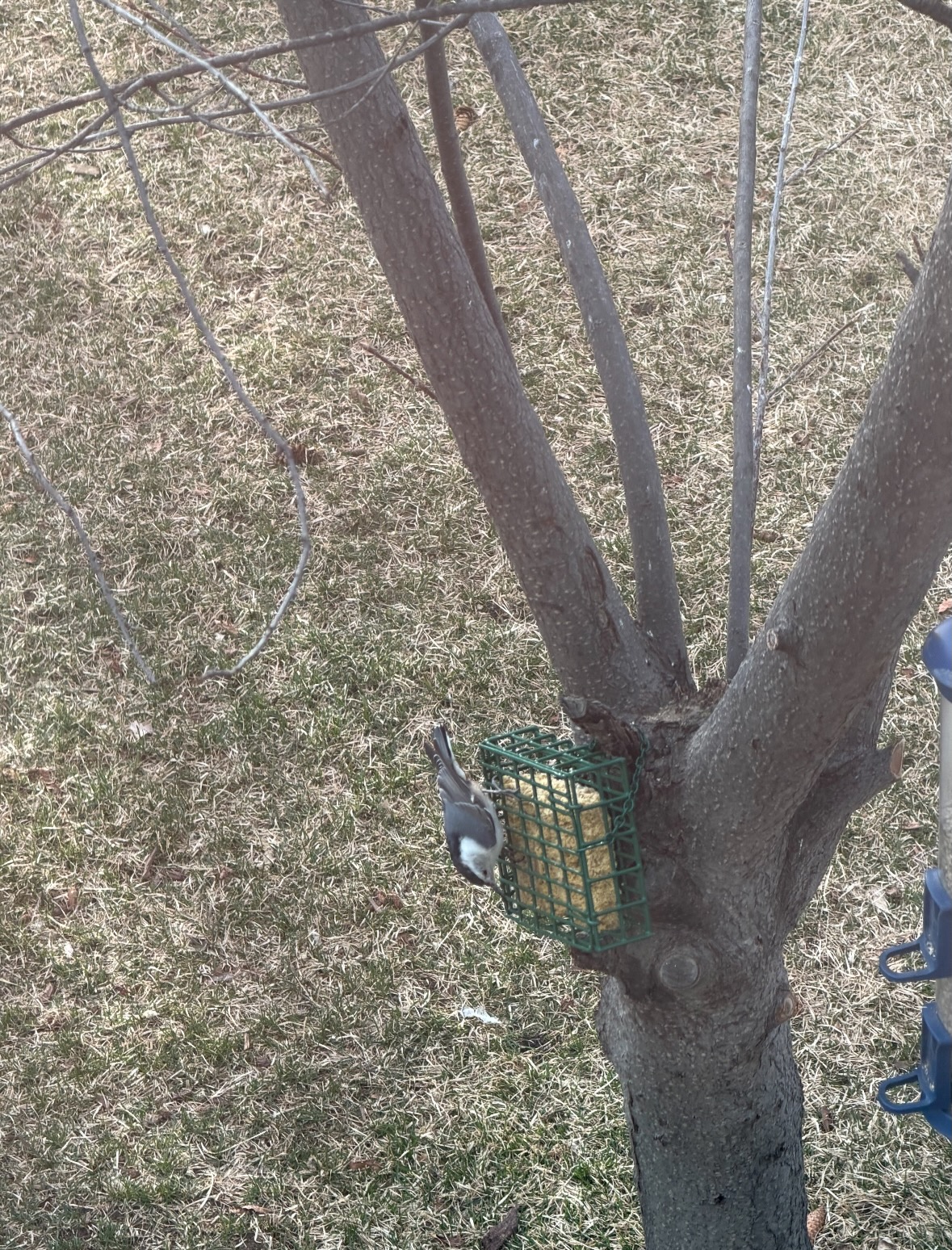
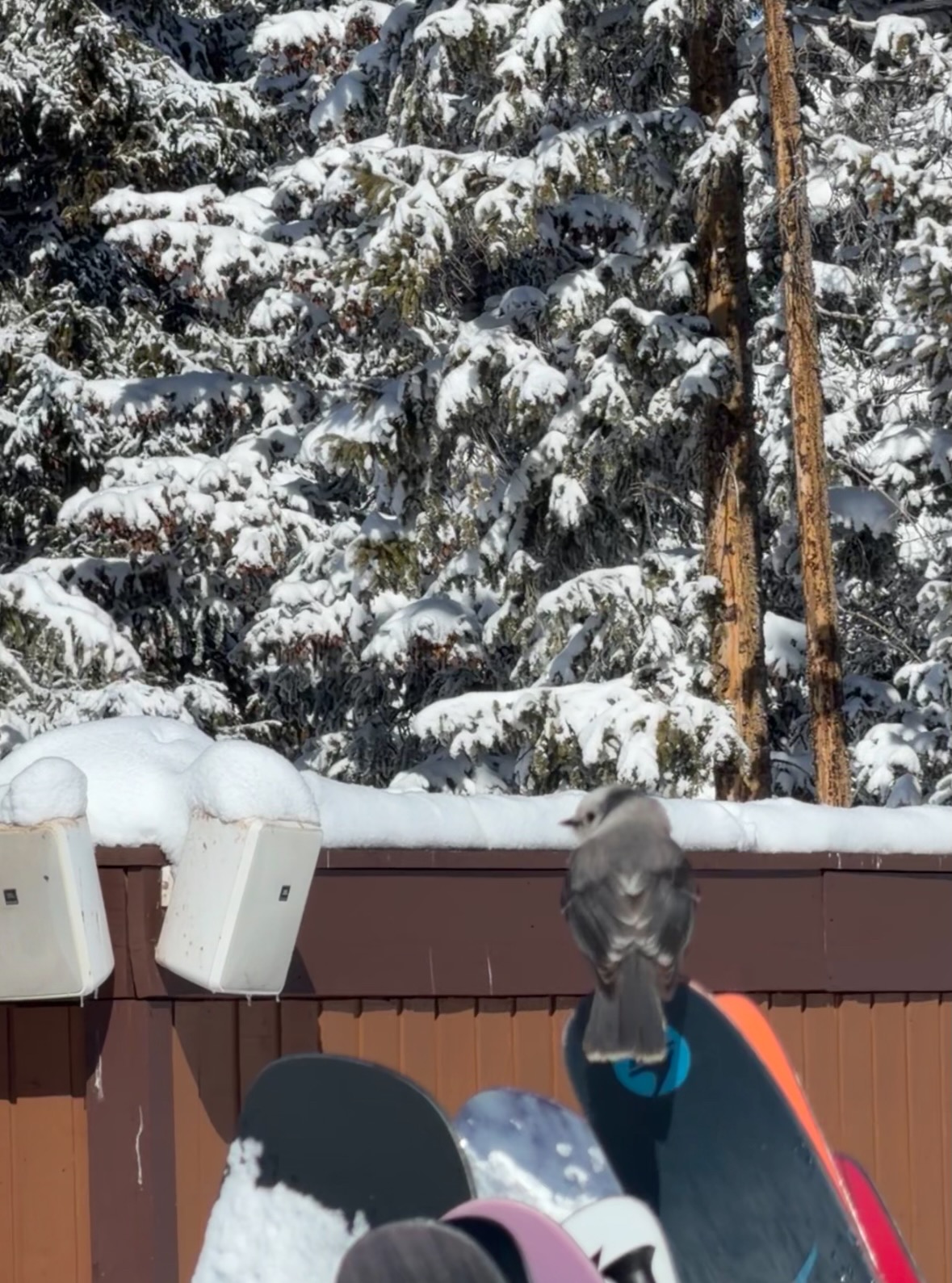
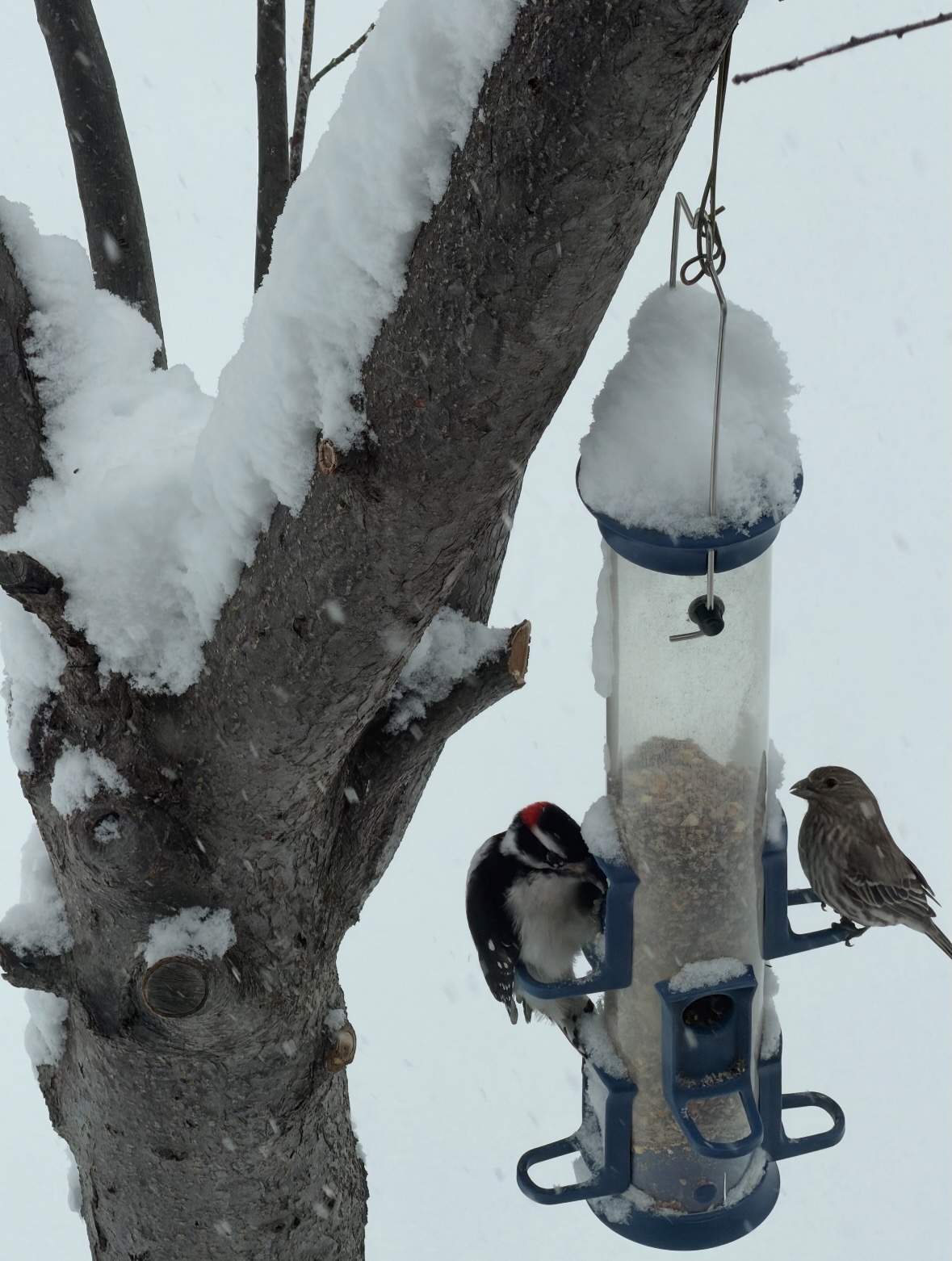
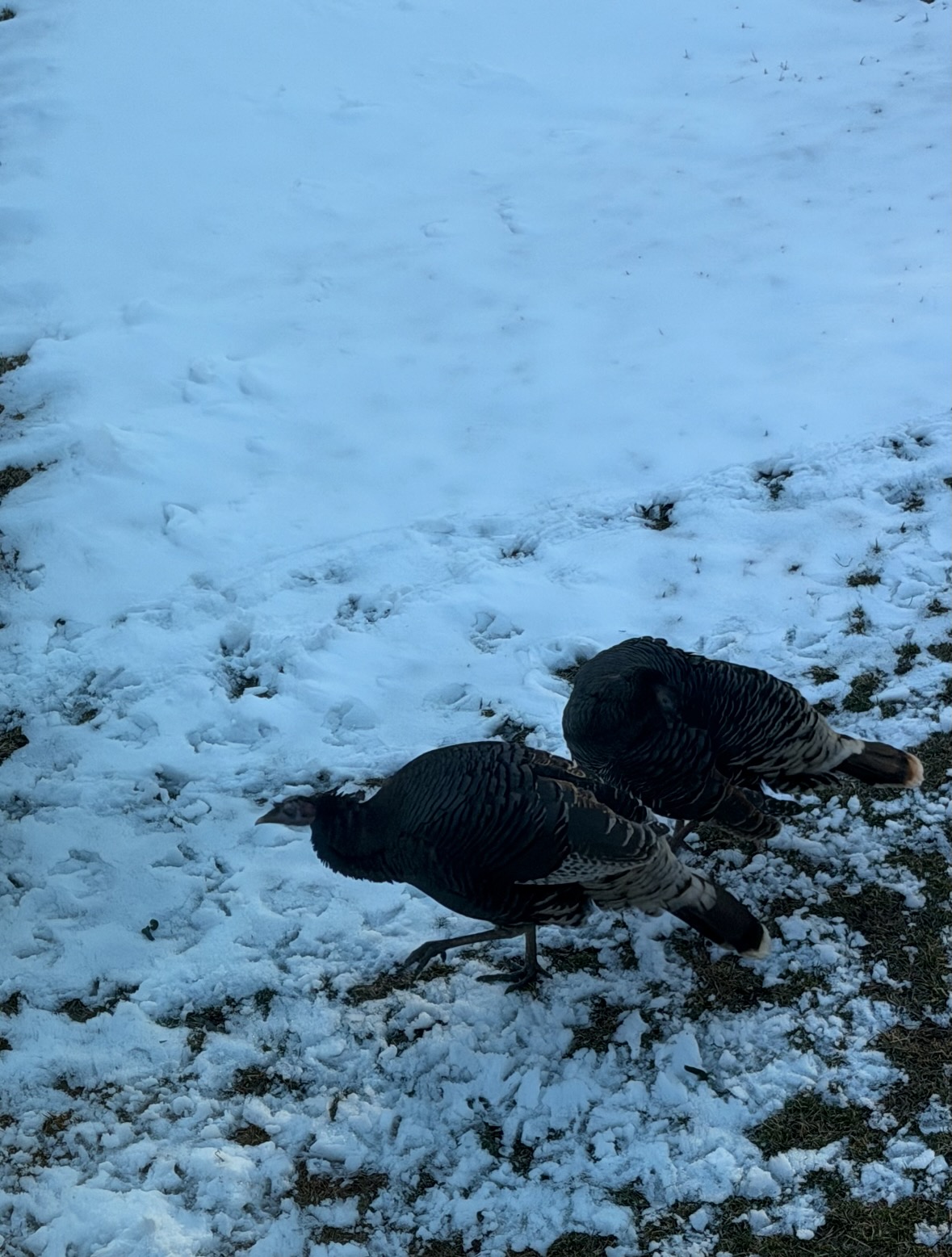
George birded in Colorado
this dark-eyed junco (Junco hyemalis) is much fluffier than the ones i see outside my window in sf
mountain chickadee (Poecile gambeli) in the mountains
white-breasted nuthatch (Sitta carolinensis)
looks like a townsends solitaire (Myadestes townsendi)
pretty sure this is a downy and not a hairy
wild turkeys (Meleagris gallopavo) in the snow
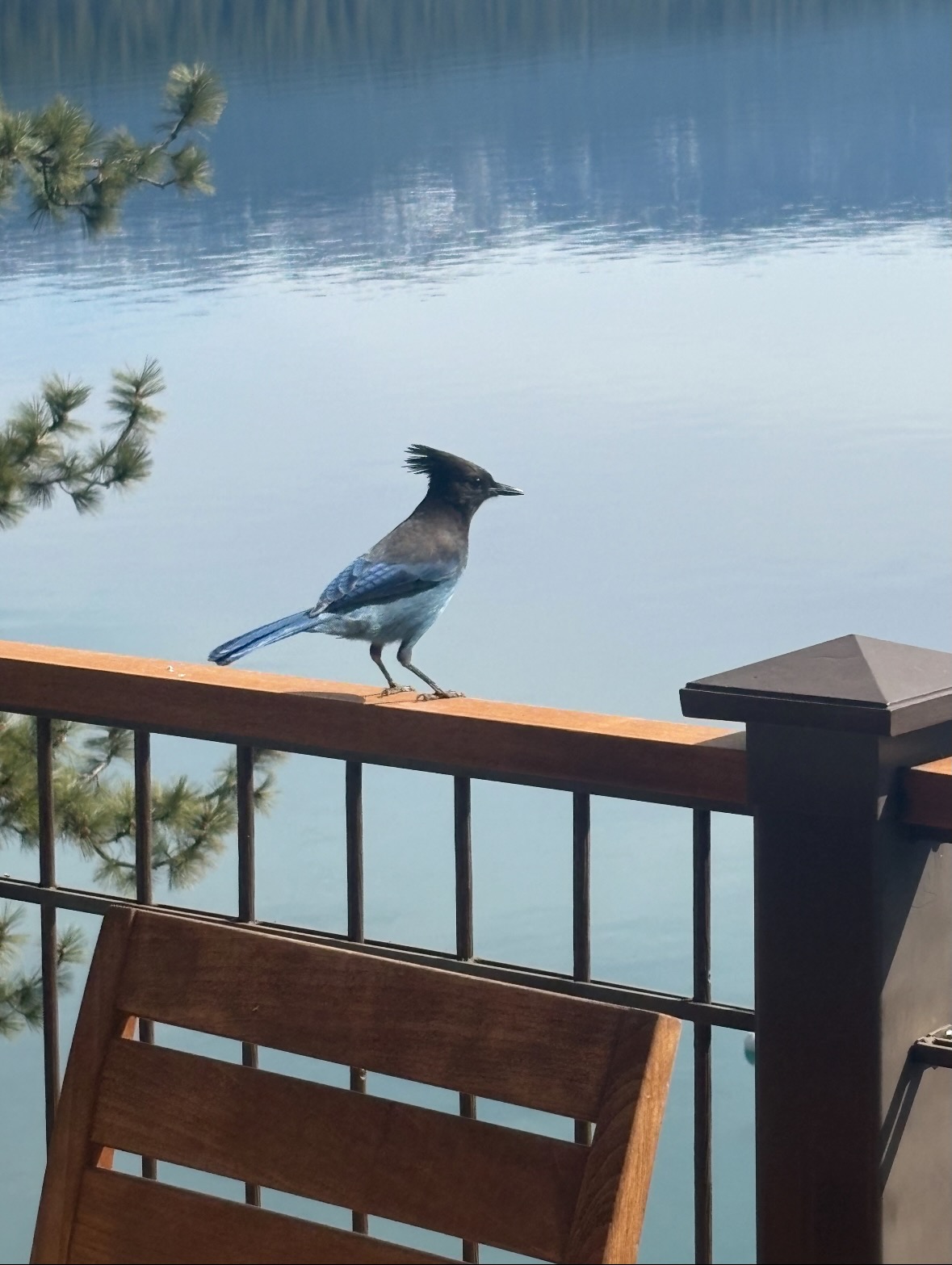
steller's jay (Cyanocitta stelleri) in tahoe
Kelly and baby John are back at it yet again birding the ponds and streams in the east bay
kelly saw our bird of the month the american avocet (Recurvirostra americana)
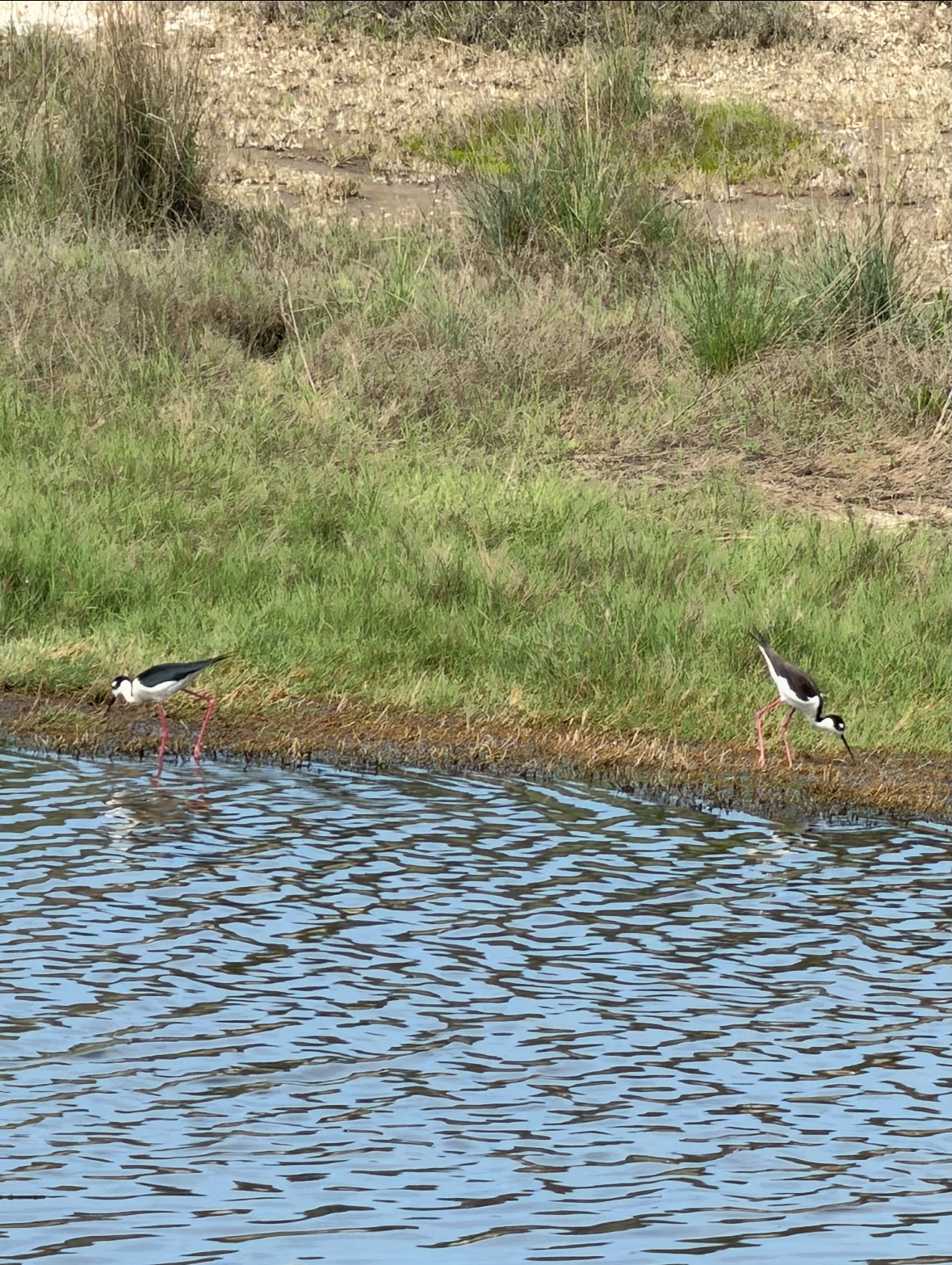
black-necked stilt (Himantopus mexicanus)
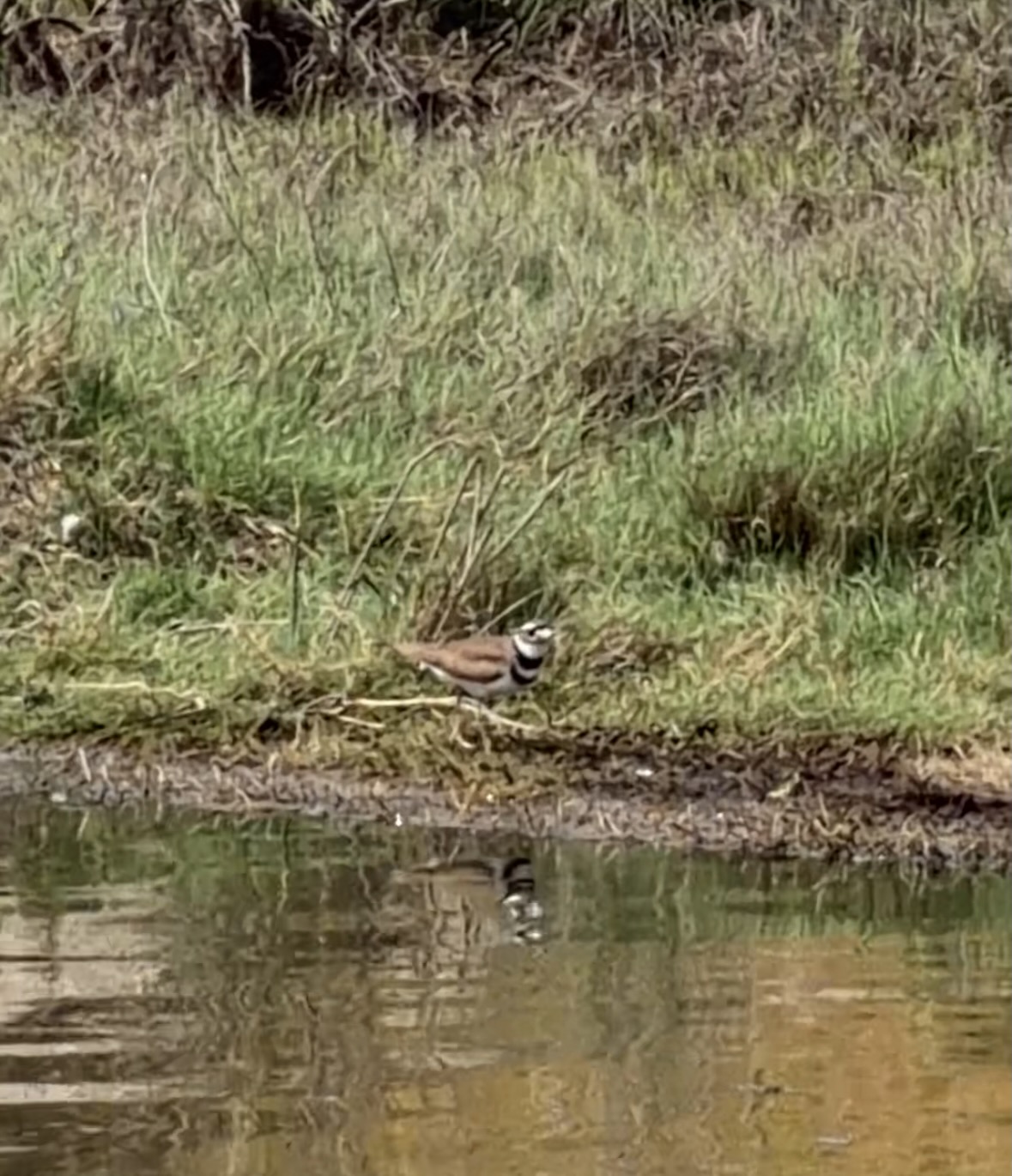
killdeer (Charadrius vociferus)
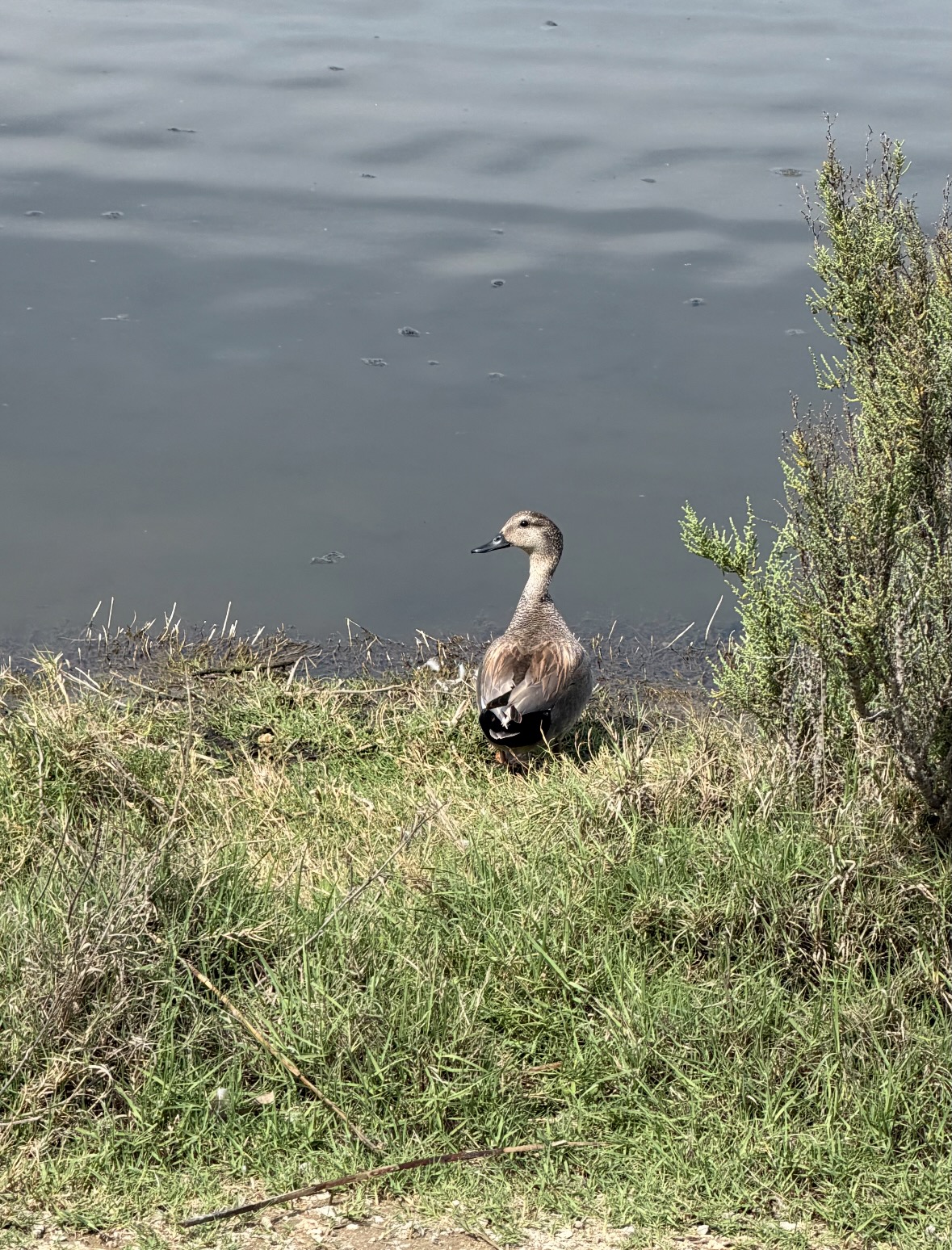
gadwall (Mareca strepera)
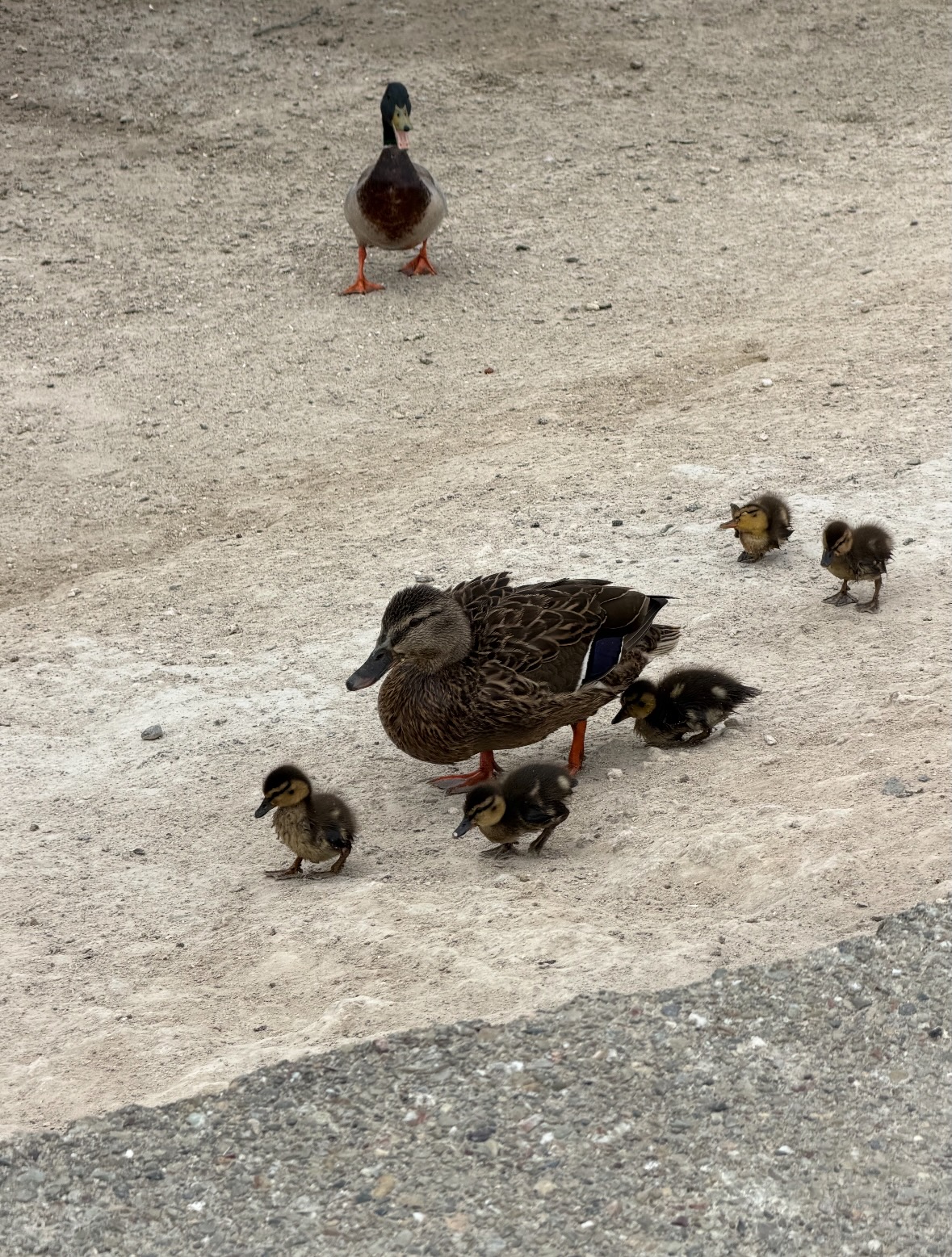
mallard (Anas platyrhynchos) family i think the dad is upset
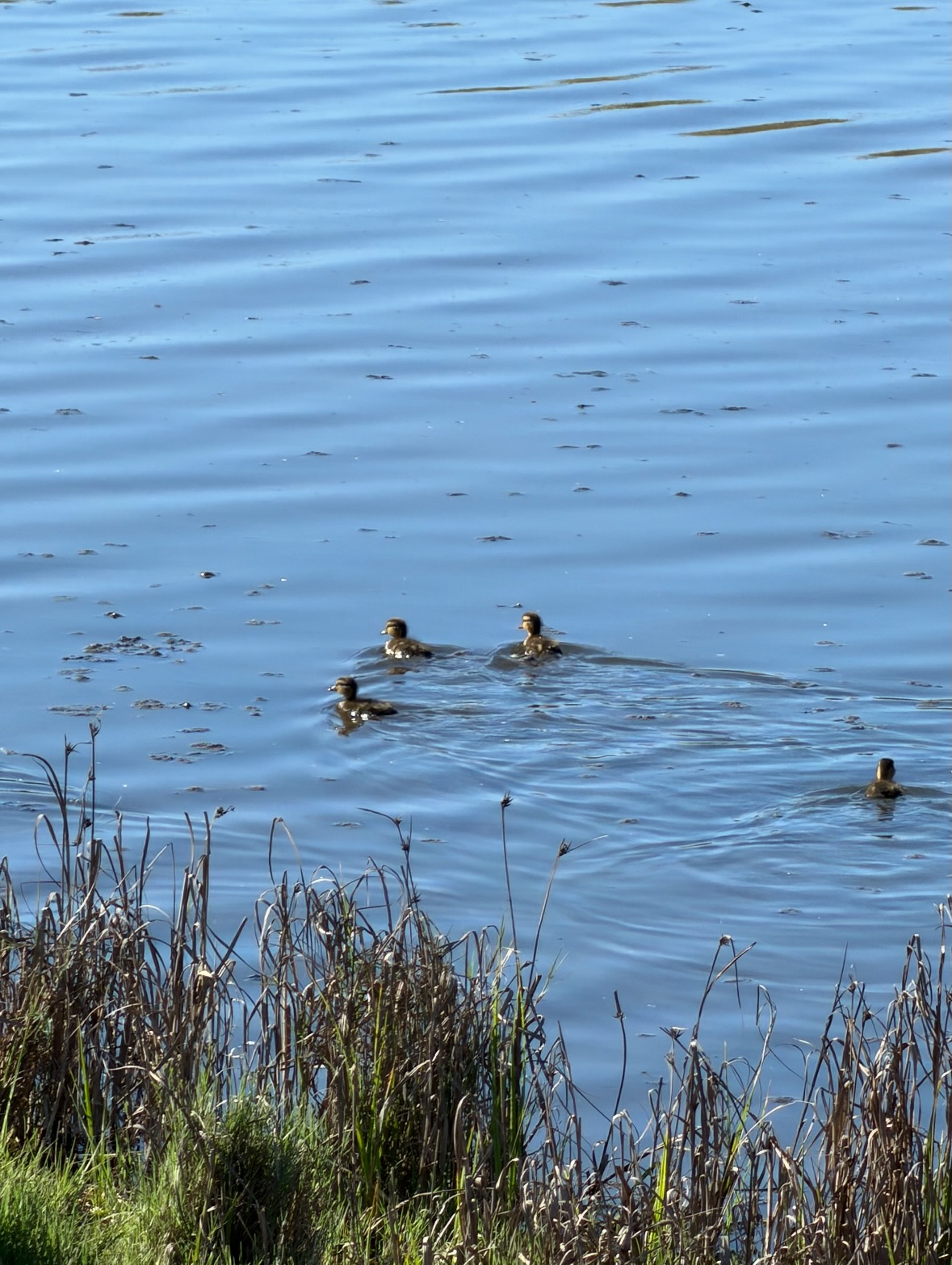
it's duckling season:)
Aarsh did some birding in India.
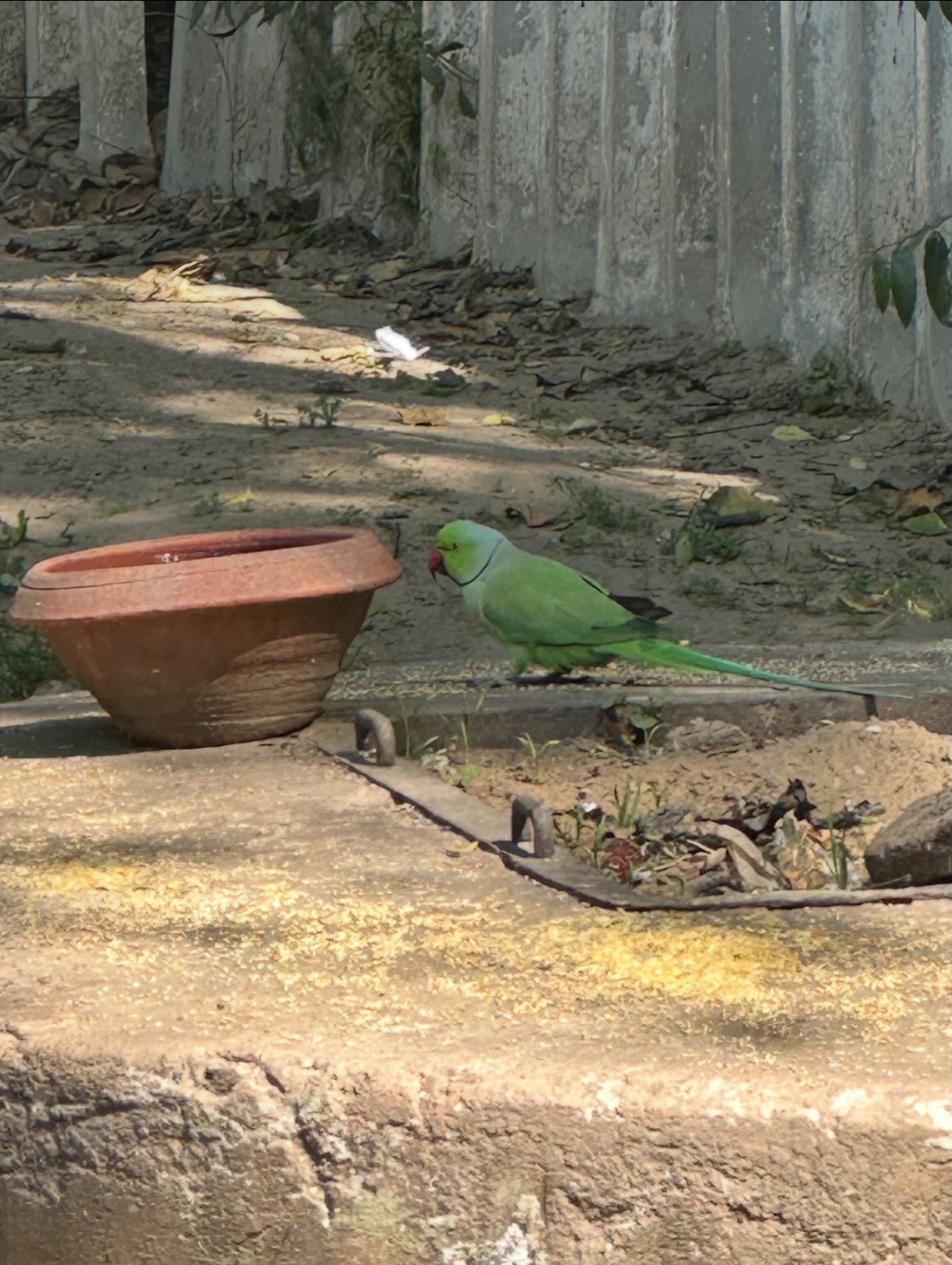
rose-ringed parakeet (Psittacula krameri)
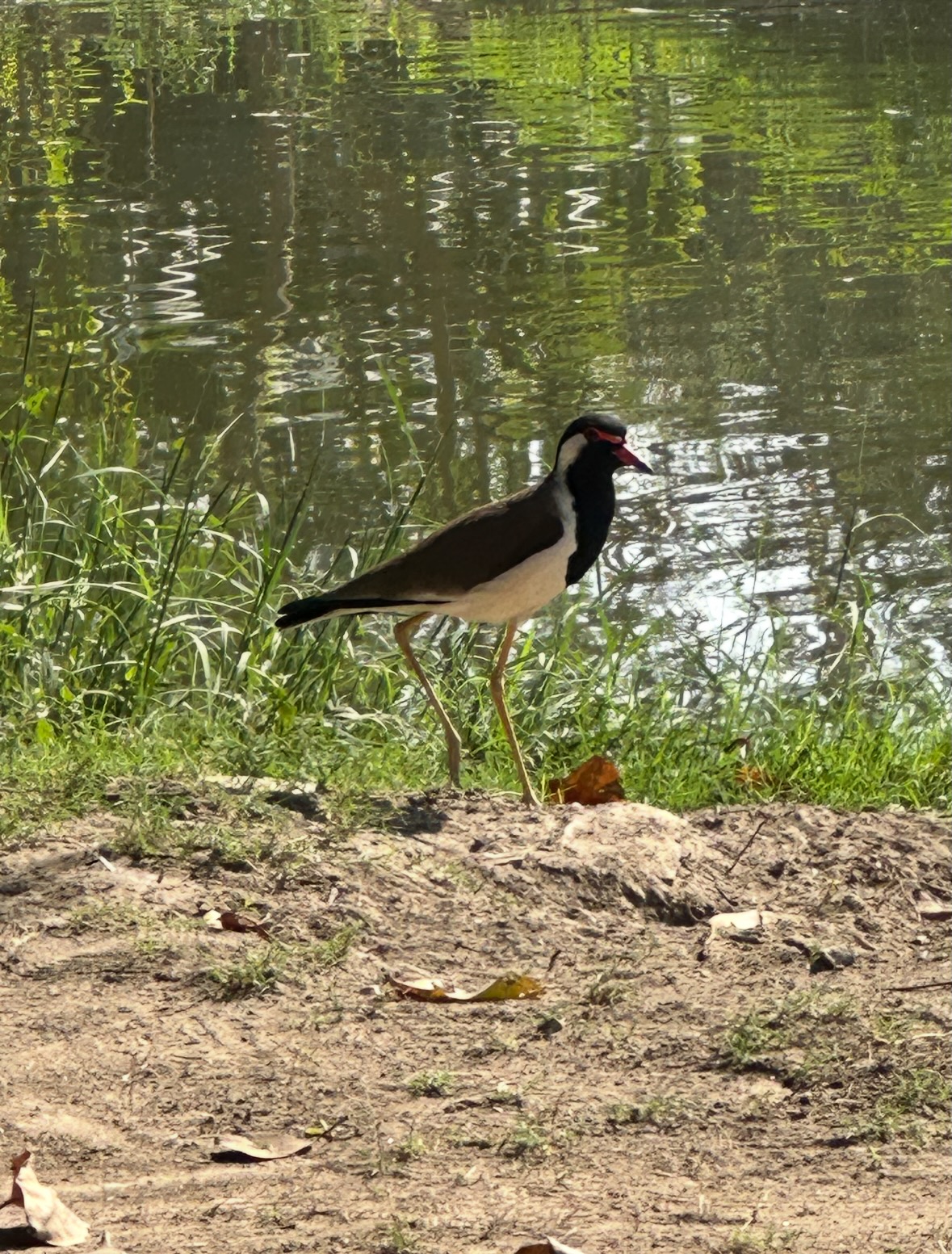
red-wattled lapwing (Vanellus indicus)
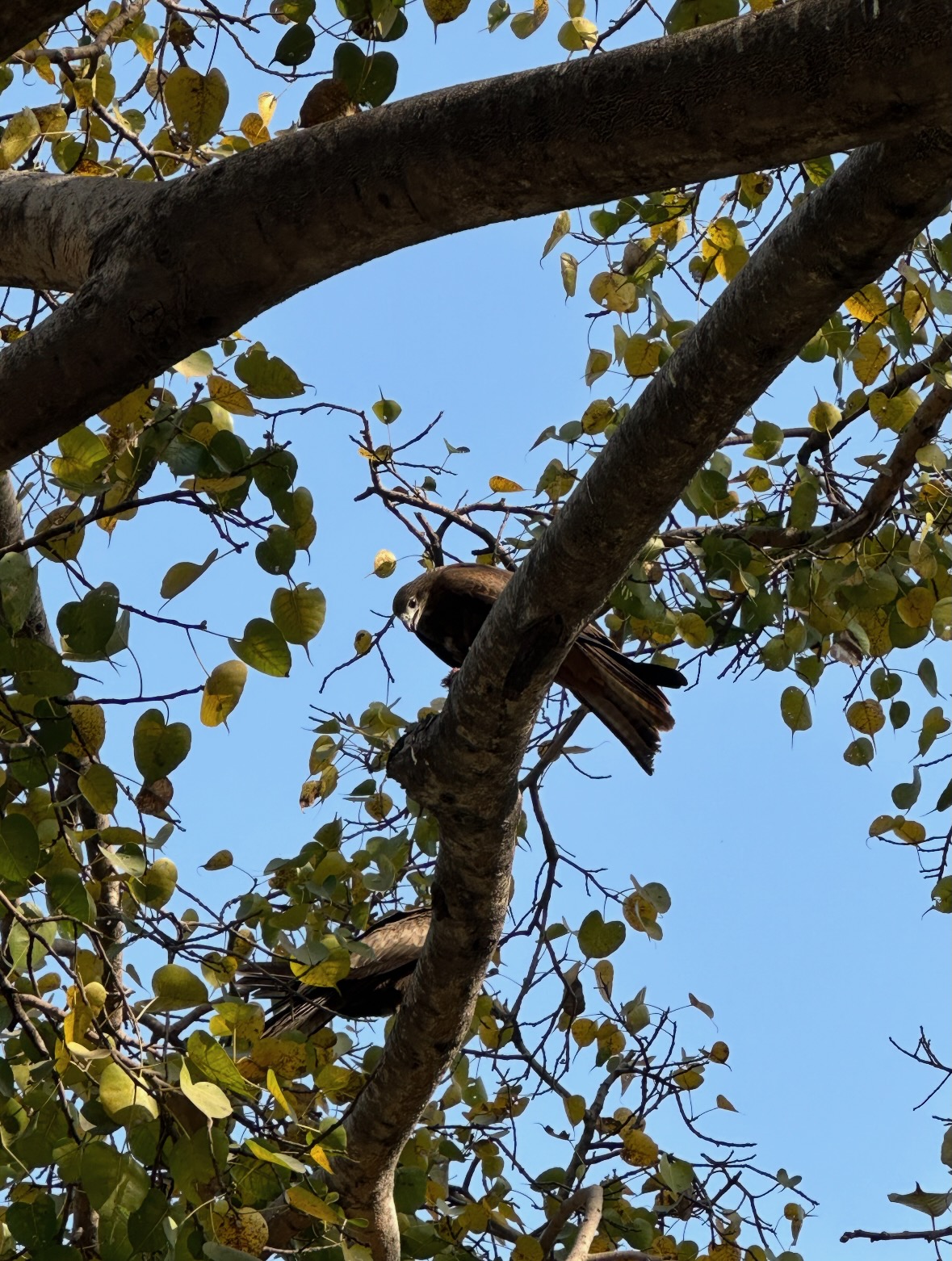
i think this is a black kite and not an indian spotted eagle
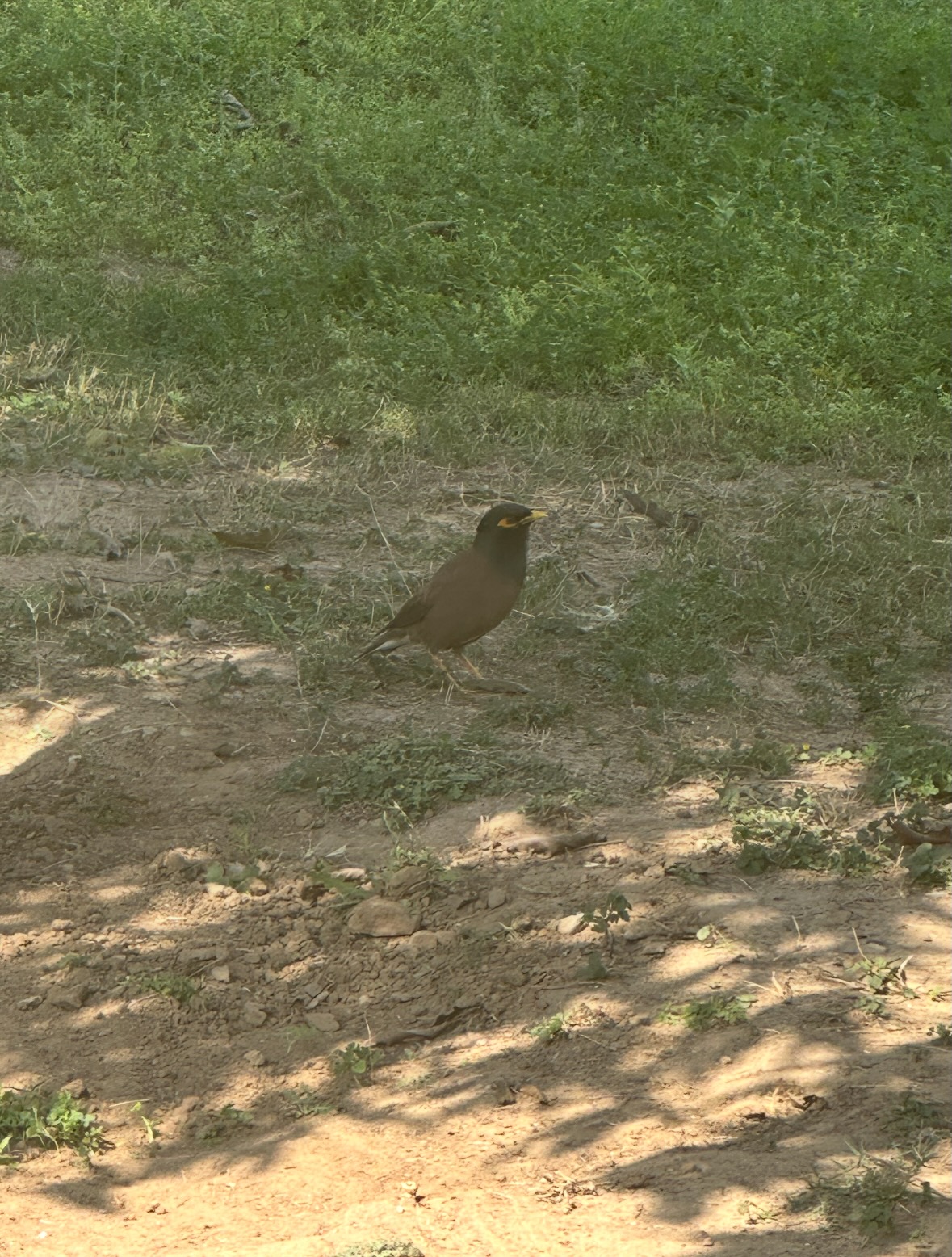
if youve been to hawaii you've probably seen a ton of invasive common mynas (Acridotheres tristis).
this is one in it's home range:)
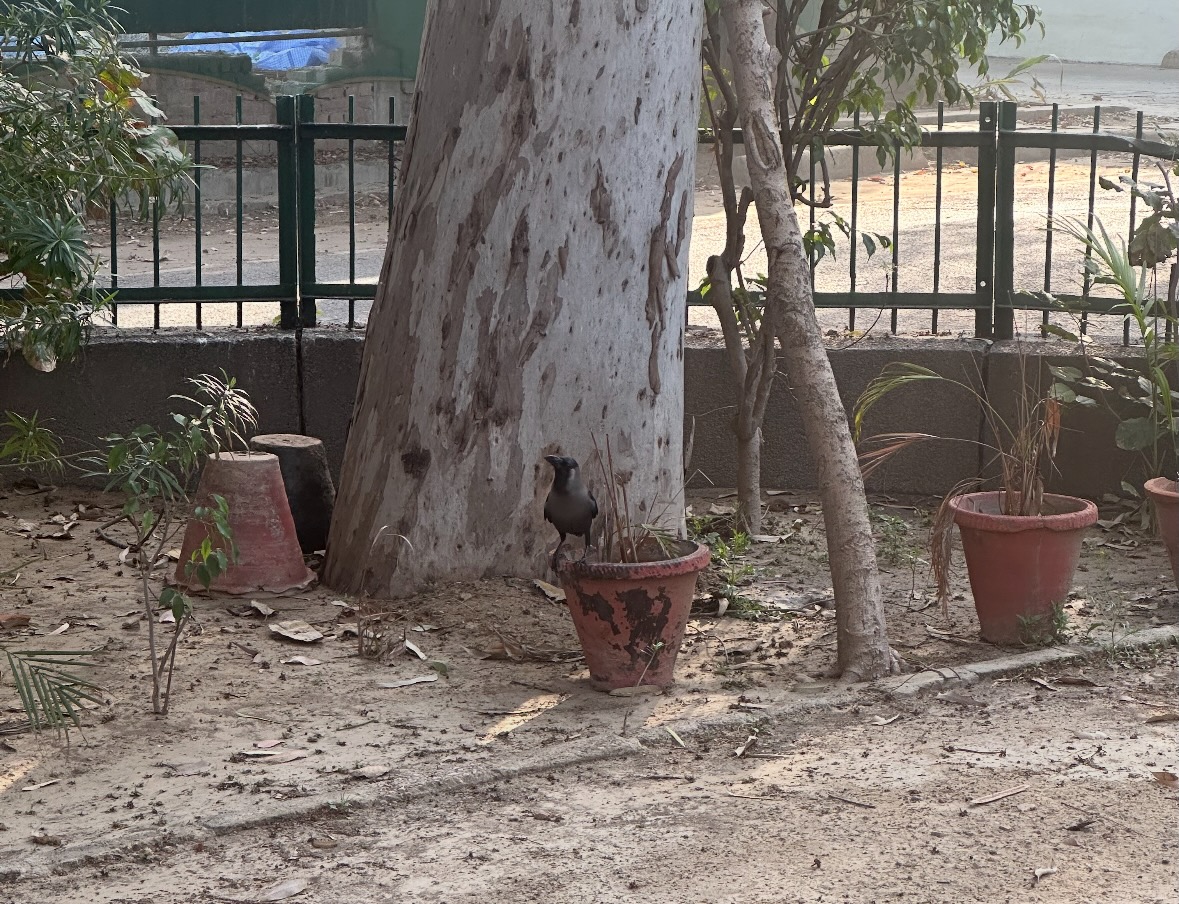
house crow (Corvus splendens)
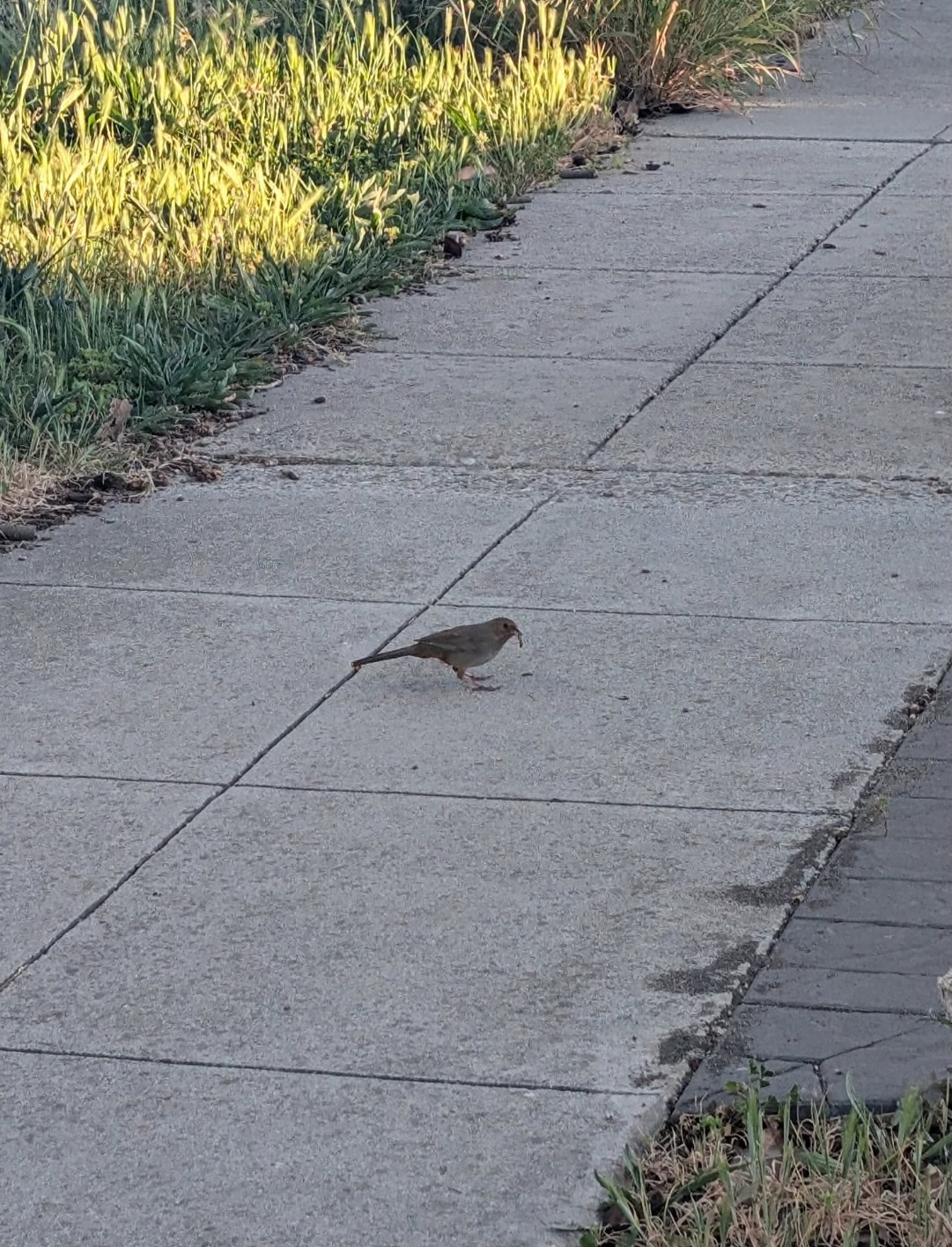
Adam saw a california towhee eating a worm
california towhee (Melozone crissalis)
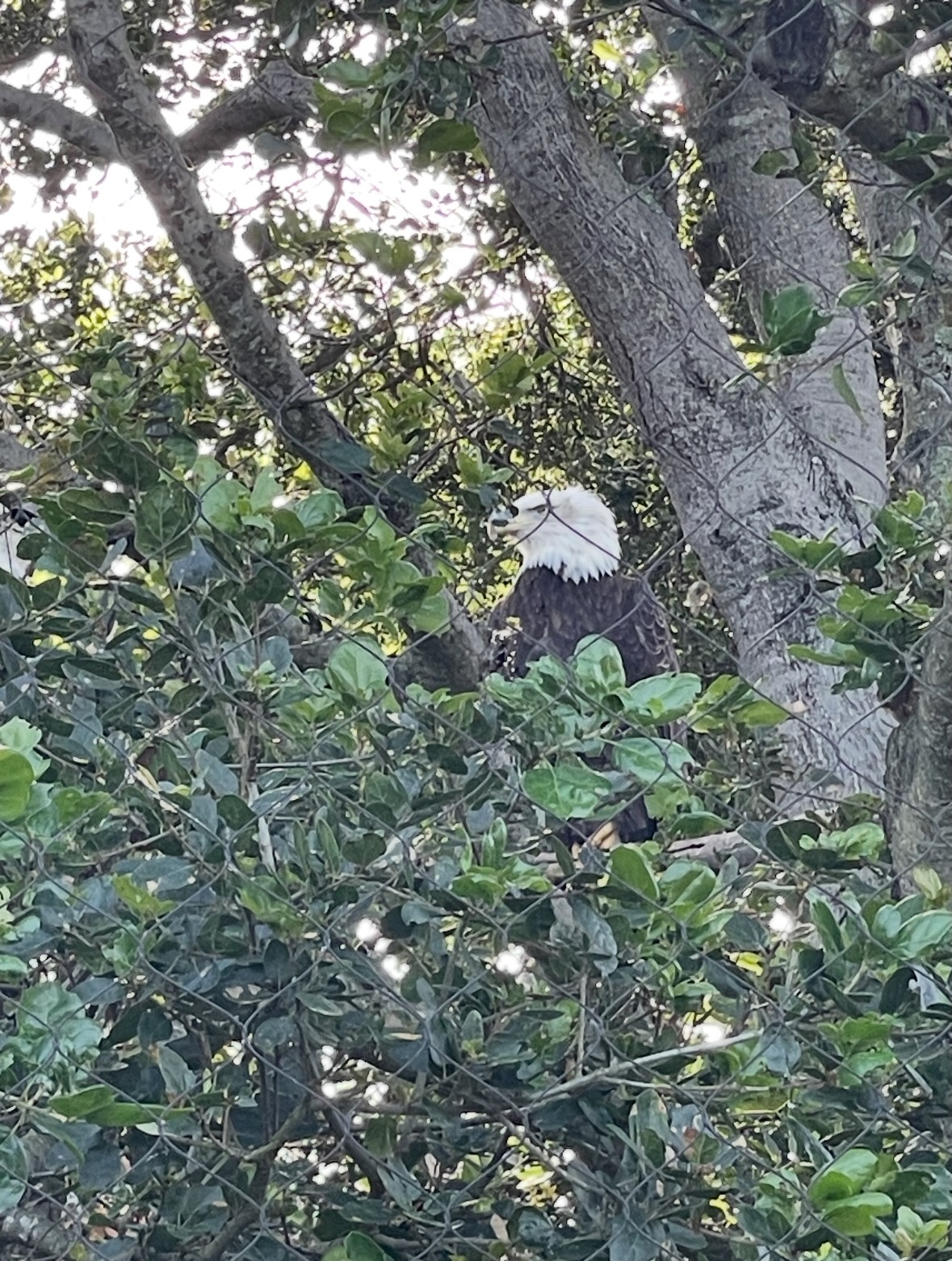
Jette saew a bald eagle at the zoo..
set this bald eagle (Haliaeetus leucocephalus) free
Including a couple of my sightings from Taylor and I's post-walk birding
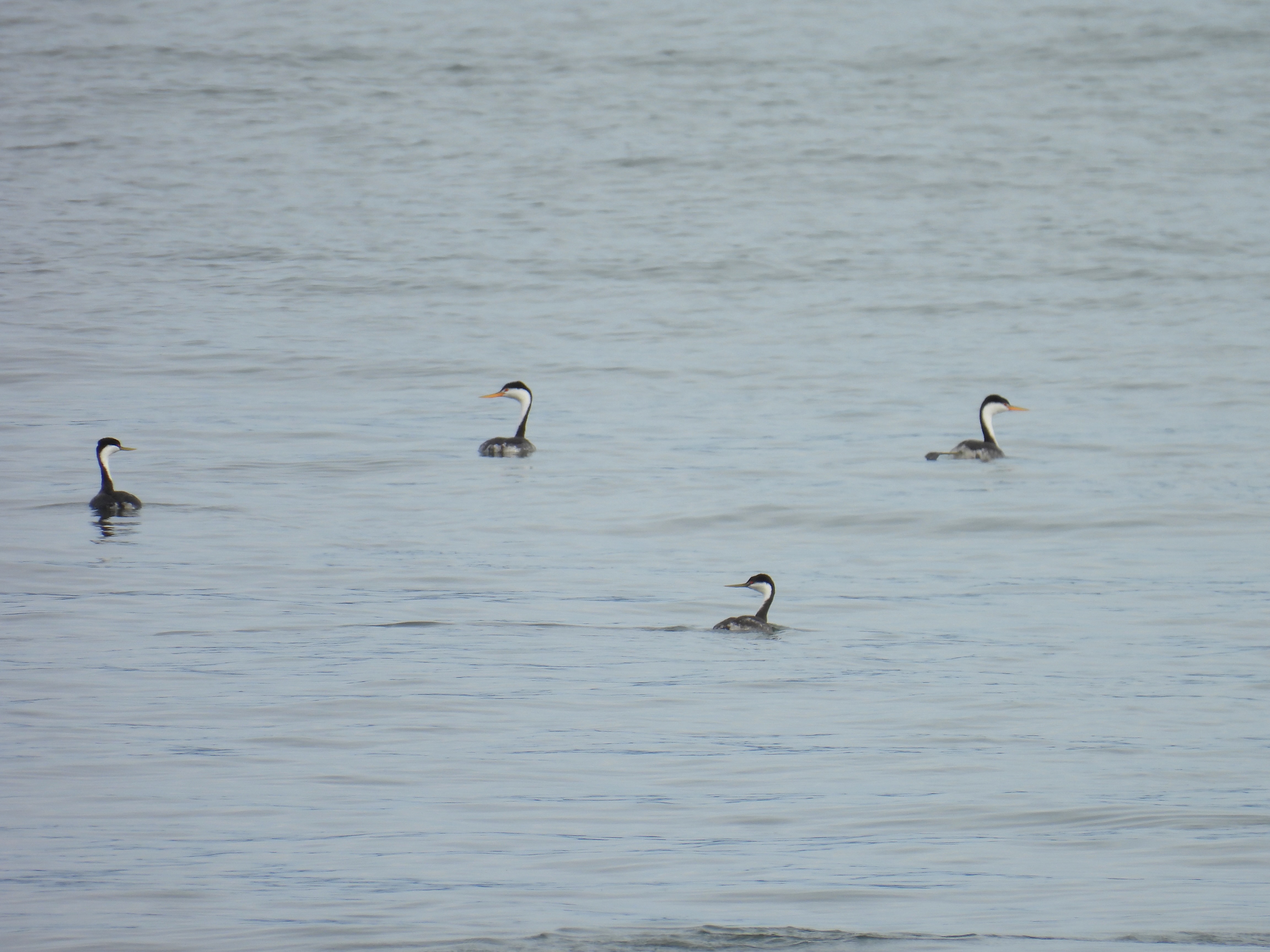
can you identify which are clark's grebes (Aechmophorus clarkii) and which are western grebe (Aechmophorus occidentalis)?
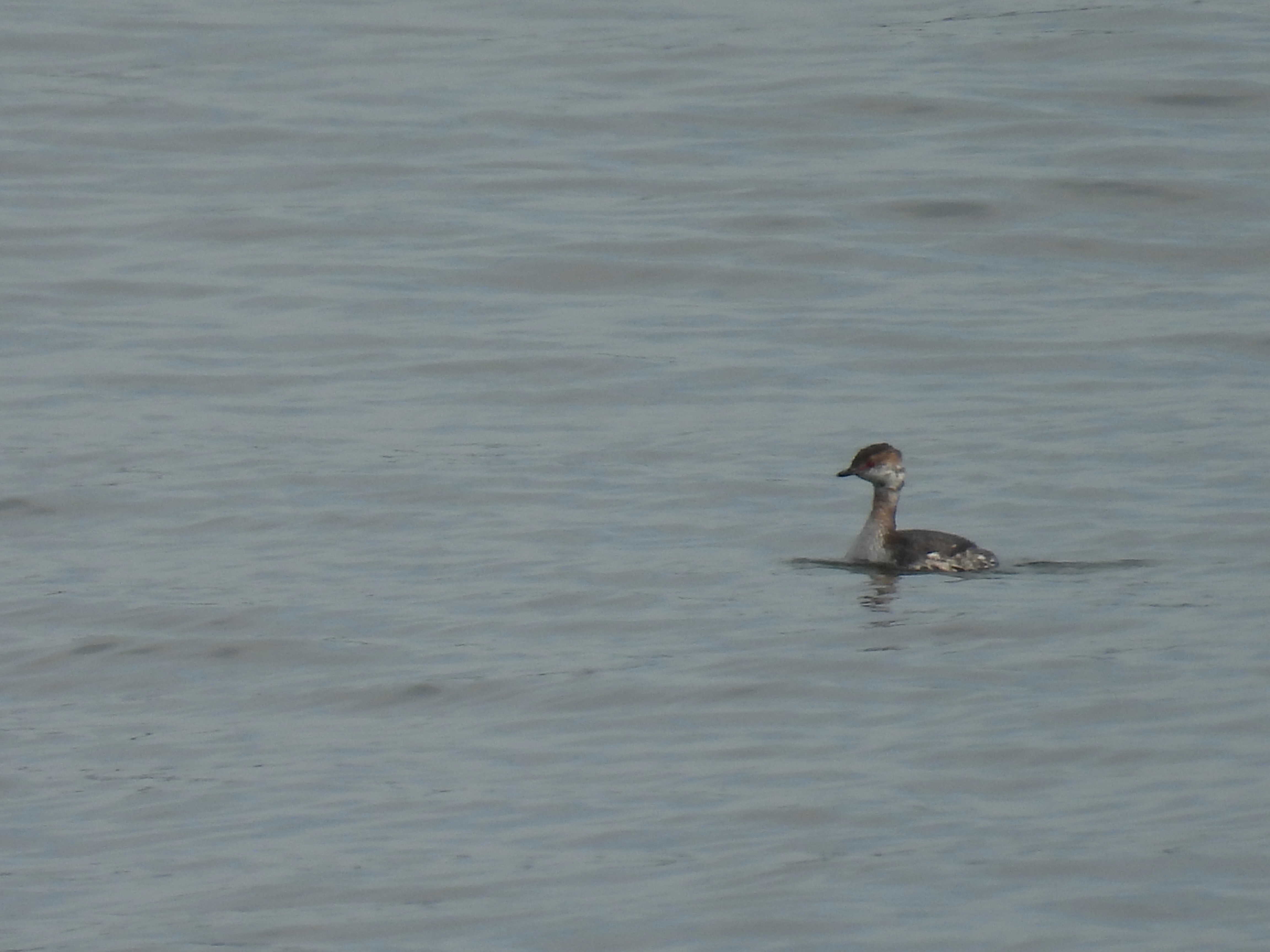
looks like a horned grebe (Podiceps auritus) molting
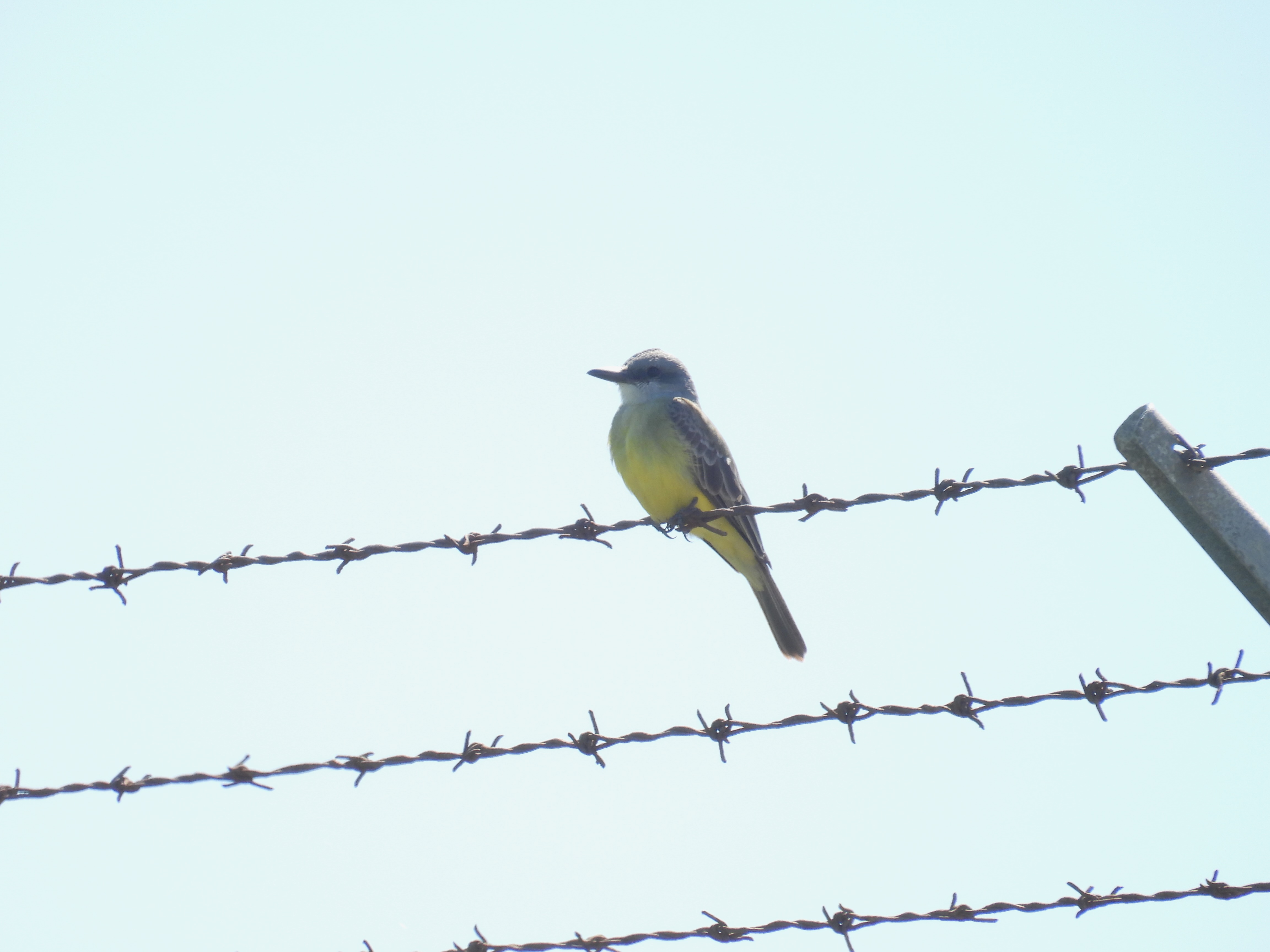
we tracked down this vagrant tropical kingbird (Tyrannus melancholicus) around pier 94
janet and i also did some birding in hawaii.
On Maui we didn't get to Haleakalā because of road closures so unfortunately we didn't see any honeycreepers besides some ʻApapane in Kauai.
Hawaii is an interesting birding destination because the vast majority of birds you see were introduced to the islands -
house sparrows, northern cardinals, common mynas, etc but there are also so many cool native birds and I really hope the conservation efforts do well
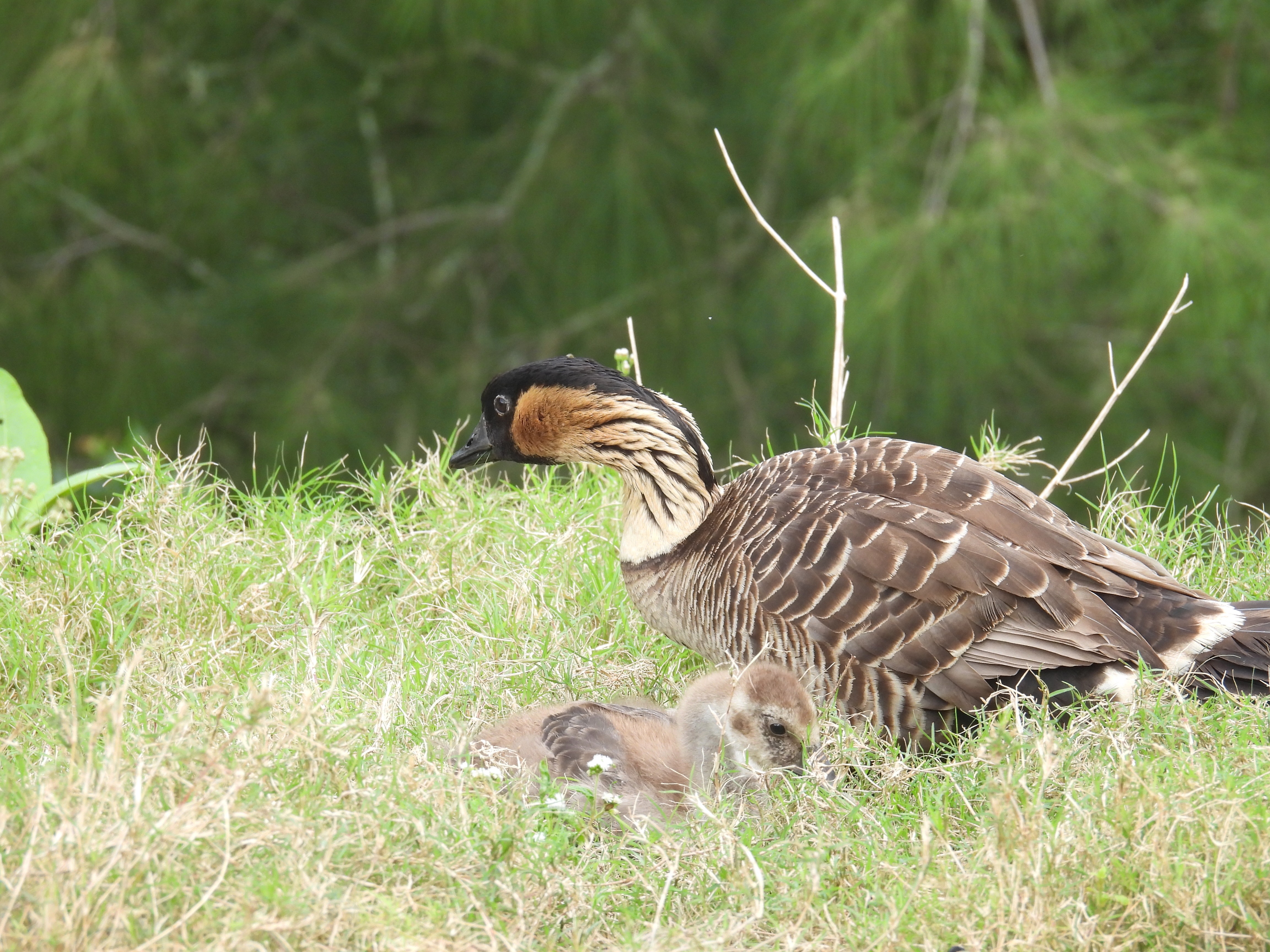
the nene (Branta sandvicensis) is a good conservation success story
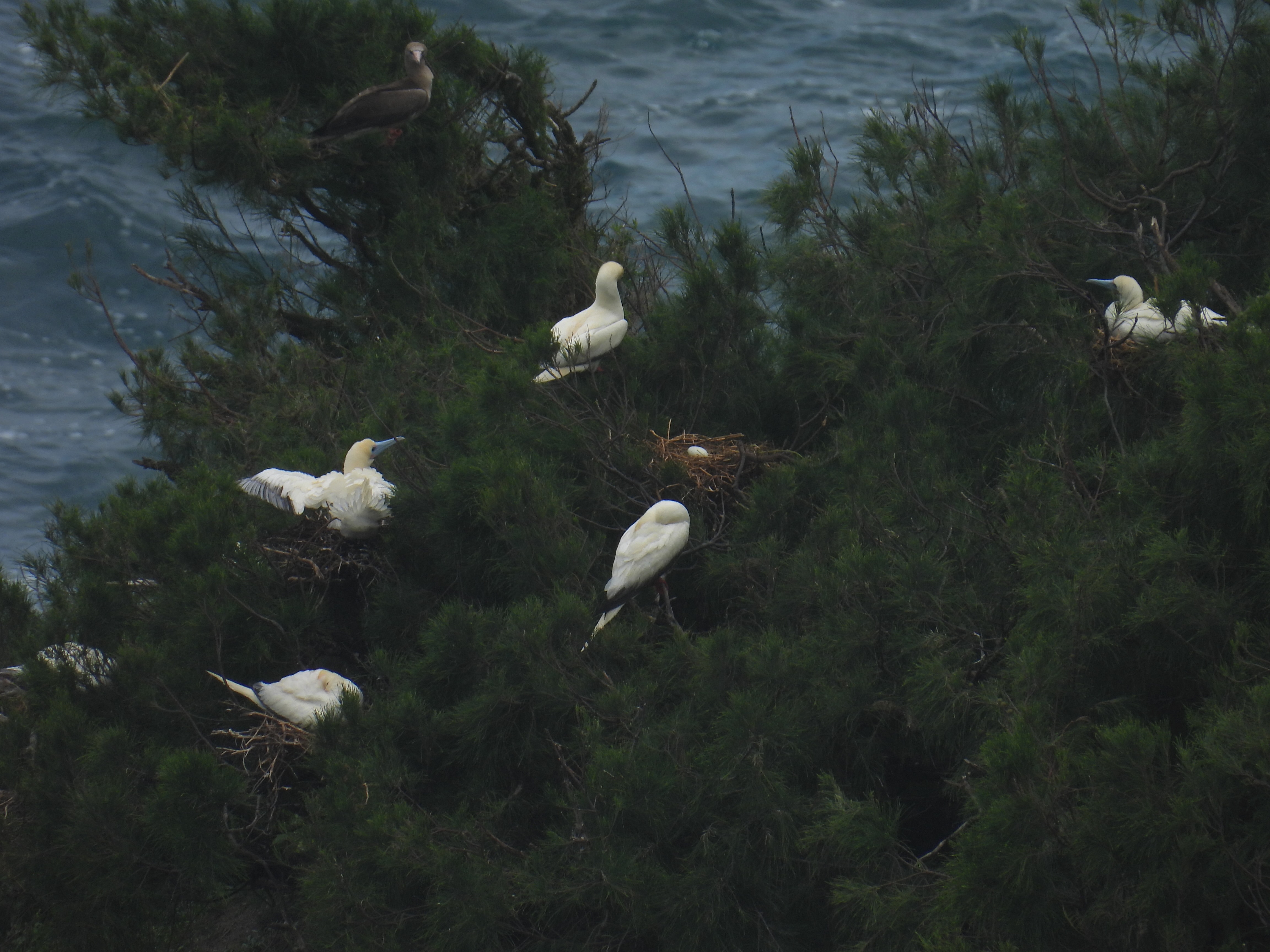
red-footed booby (Sula sula) nests
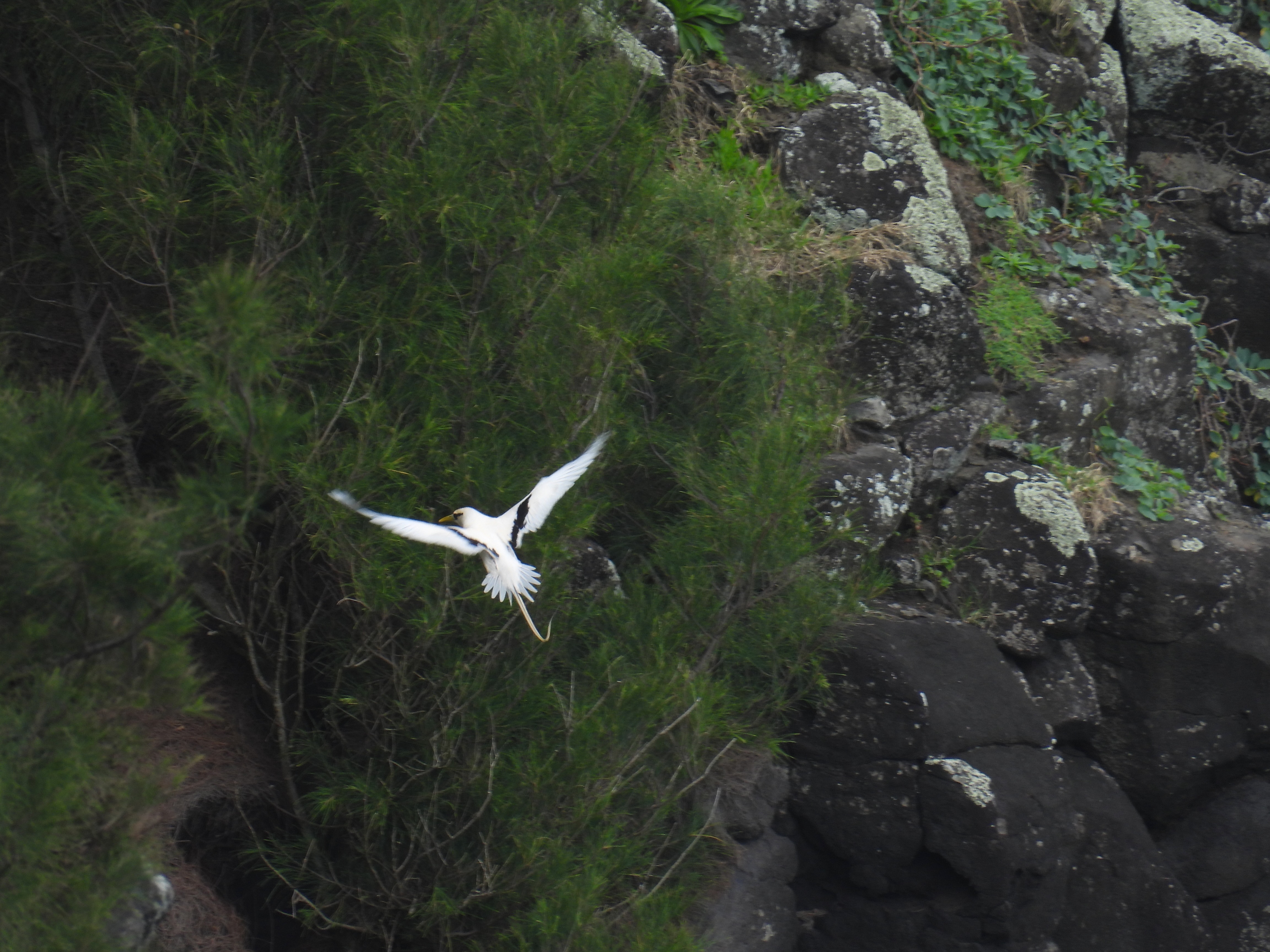
watching the white-tailed tropicbirds (Phaethon lepturus) fly was very cool
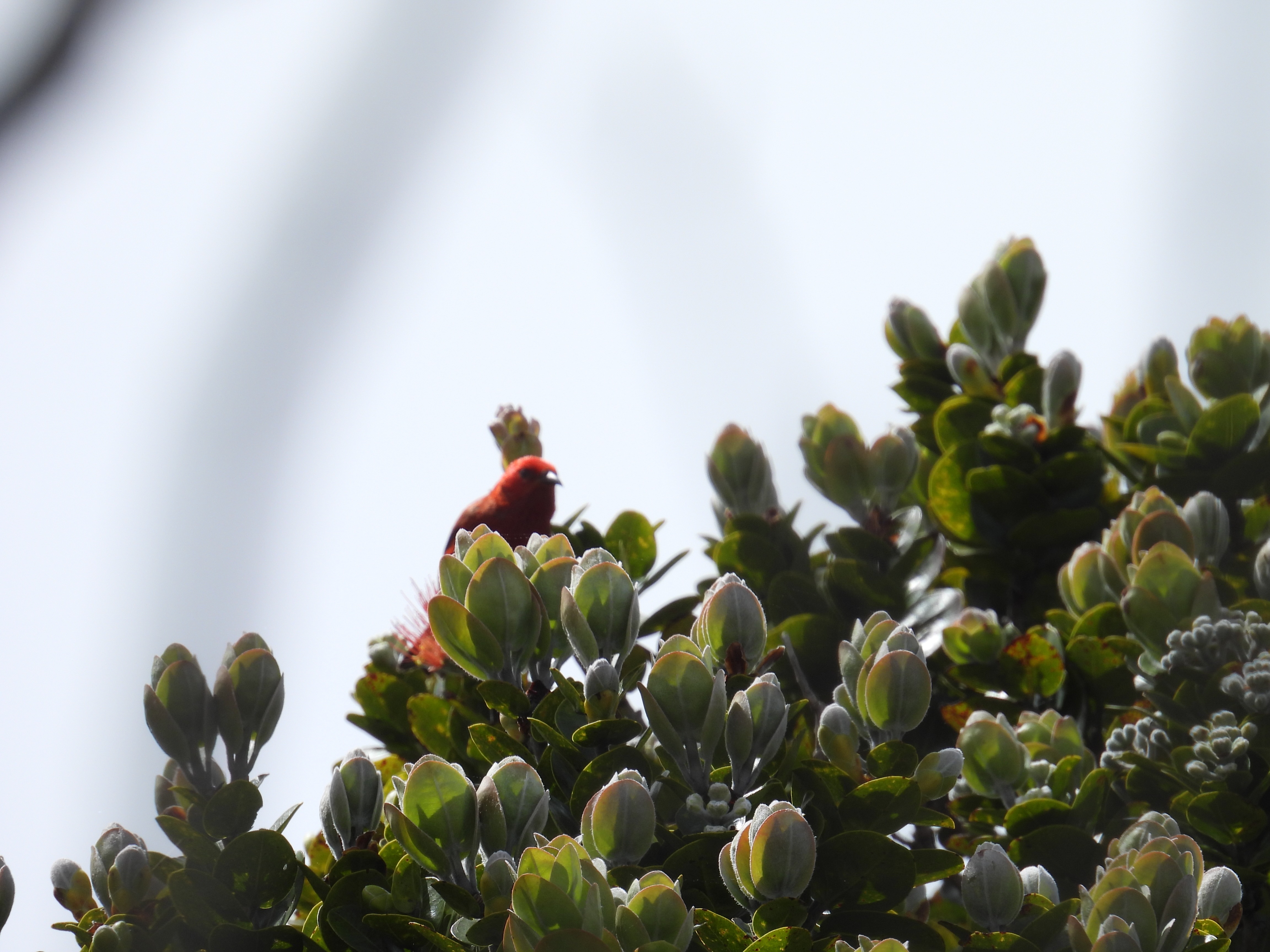
blurry shot of an ʻapapane (Himatione sanguinea)
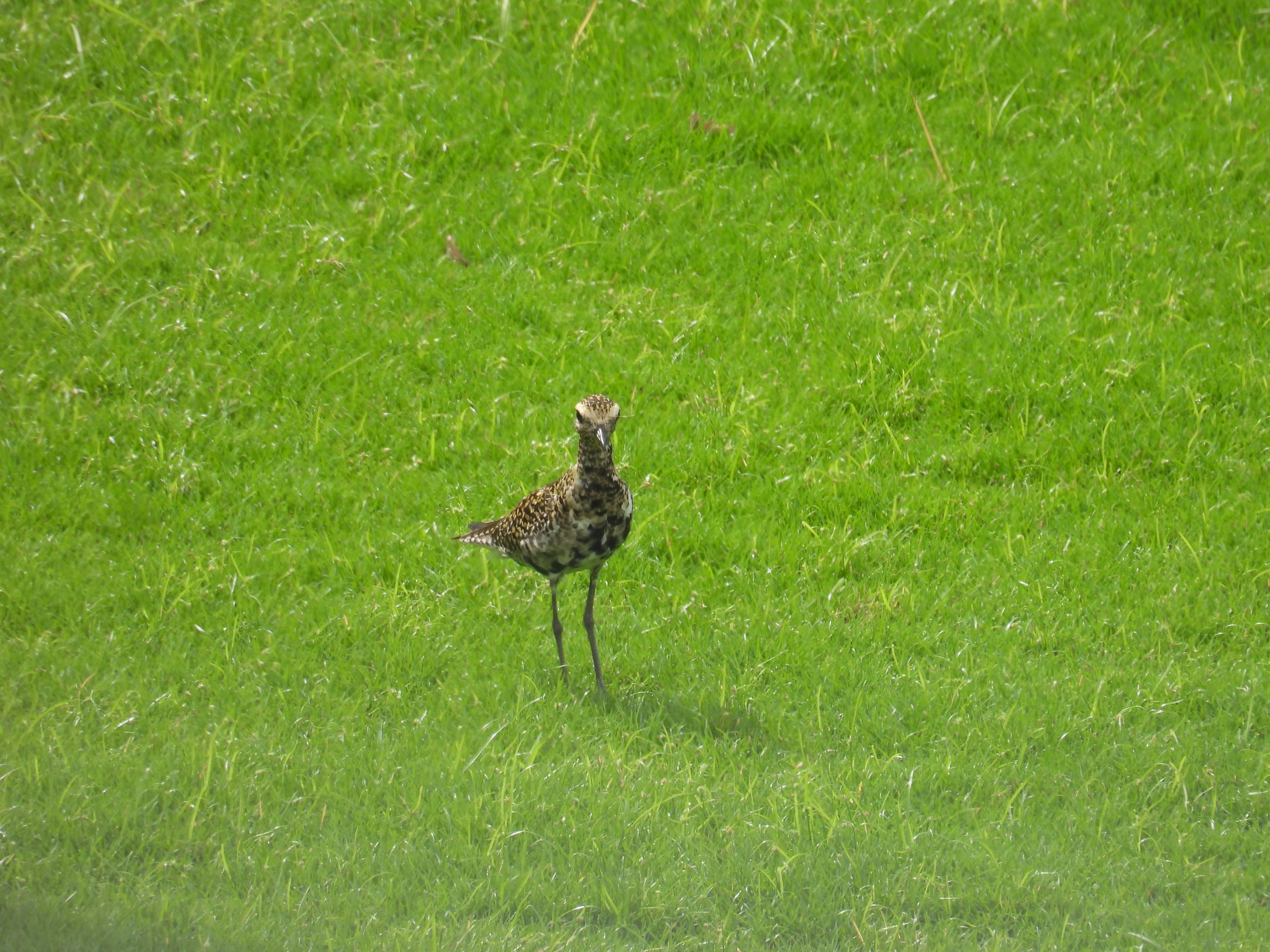
This pacific golden plover (Pluvialis fulva) looks like it's molting.
They usually take off around april once they get their full breeding plumage.
We did see one that was already rocking its breeding plumage.